

You see we have had such lovely crunchy frosts the last few days and I decided last night, in all my wisdom, that this morning I would get out the macro and slither across the freezing ground and shoot through the frosted garden into the glow of a rising sun.
Oh what heavenly shots of glistening frost I shall post, I thought.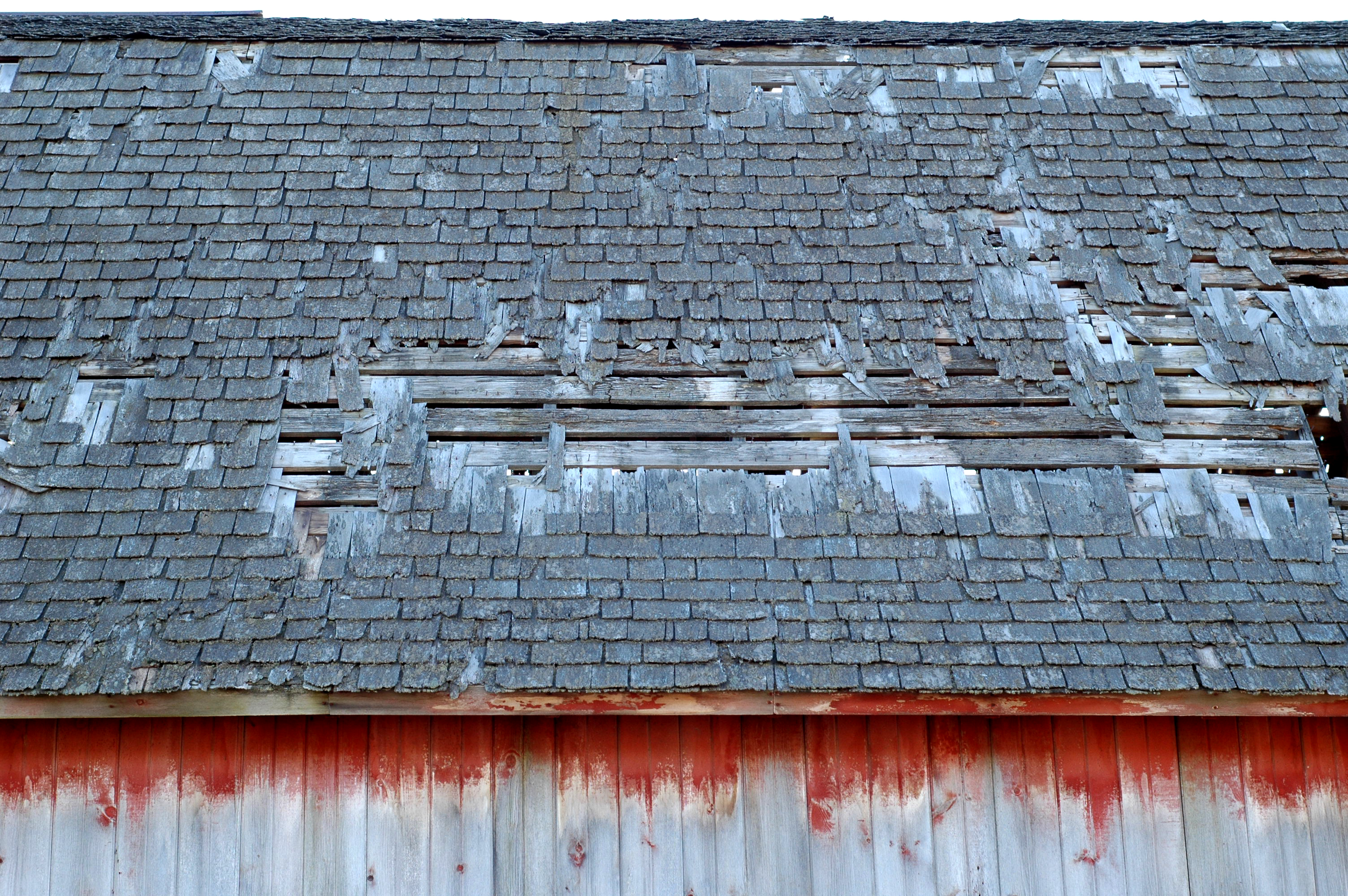
Um, no frost this morning was there. Hmm. Change of Plan.
So instead I have posted a few of yesterdays research shots, as I try to track down a more relevant and more period shade of the Old Red Barn. It is an interesting study. So far it appears to me that the romantic notion of the Red Barn is not really historically correct. Density, materials, location – there are many mitigating factors. And at what period in the aging (though I would rather say progression) of this colour should we point and say -that one. That red is correct. But I am sure so far that The Red Barn should really be a much warmer colour. Though I do not know its name. Describing a colour is a little like describing the sound of a banana. We all use different visual references. 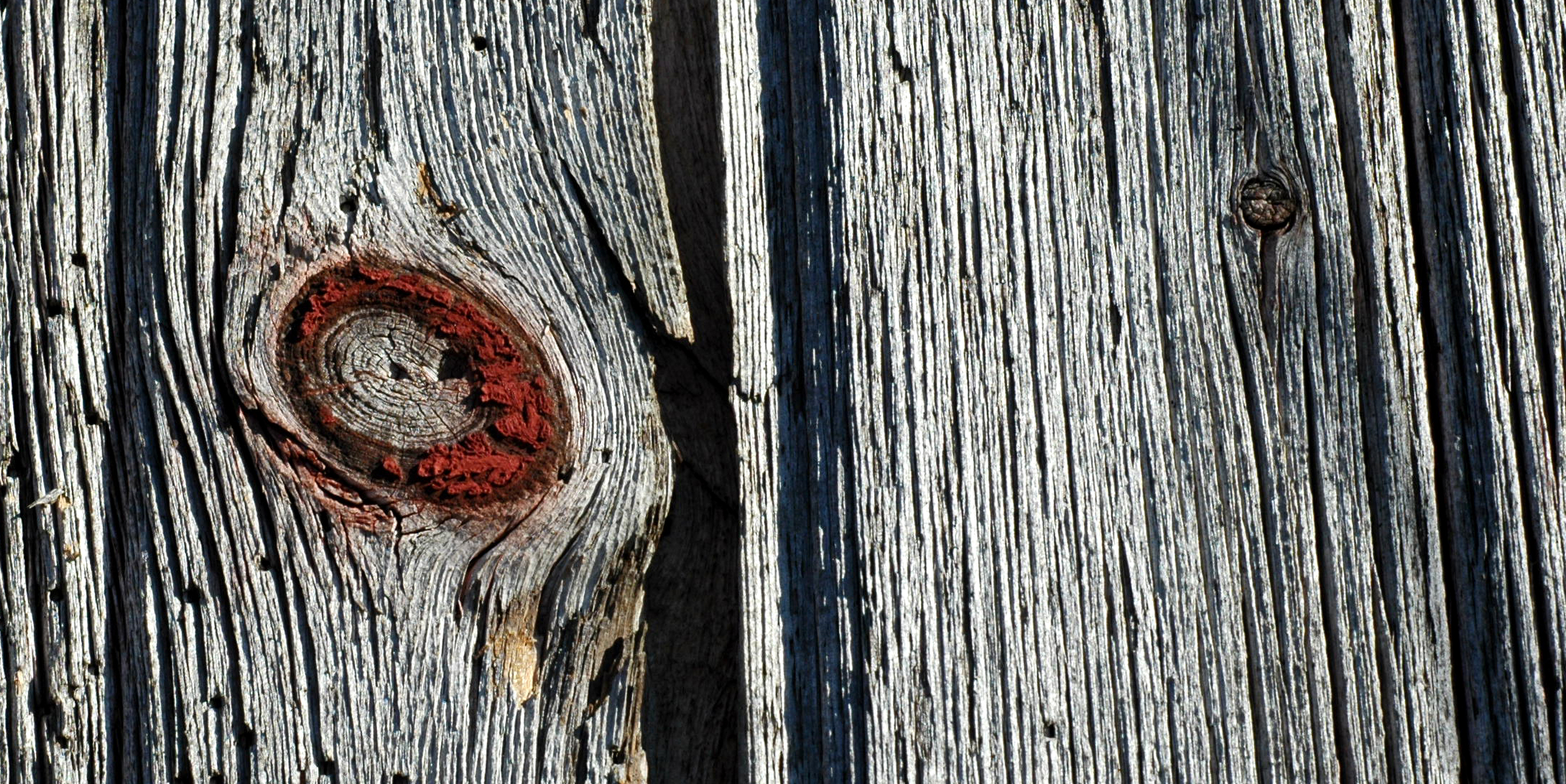
But definitely Not the heavy, blemishfree, built to last, break your eyes Red of the modern claddings. The Old Red barn was much more organic and restful I think. More of a wash that soaked the wood, rather than covering it. It had umber in it and iron and a sunburnt orange, I don’t know. More research needed.
Good morning.
c
 The Kitchen's Garden
75 responses to “Foolishly depending on a Frost and seeking the Red of a Barn.”
I just love the red barns of the olden days! Especially since we have one now!!! We are building additions onto it and reinforcing it as we go to make it last as long as we can. It’s a small one compared to some of the enormous old red barns of long ago. The hen house in tucked into one side, and the goats into the other side. The middle holds our rabbits (their manure the absolute best for the garden) and our feed. In the rickety loft is the hay. The old barn is being put to great use, just like in its youth, adolescence, middle, and now older years!
Isn’t it a wonderful wonderful feeling to see an old barn like yours come alive with the warmth and noises of the animals.. I love my barn in the evenings especially, it is my Quiet place! c
I remember long drives through the countryside with my parents and simply thought all barns were red until I started seeing my greens and tans…just were not right! Not sure if having the exact color is as important as having it look red!!
Exactly, as I have begun to look actively at the barns I have discovered that there are not as many red barns around here as you would think. They weren’t built to be pretty though they were built to work and I think often the colour depended on what was cheap at the time.. maybe.. c
I remember long drives through the country with my parents and simply assumed every barn was to be painted red. Until I started seeing greens and browns and awful mixed colors. I’d say while finding the exact color would be ideal as long as its some form of red would be perfect for me!
There is something comforting about a red barn!
Love your photos:) I love taking photos of bark on trees up close. Thanks for sharing!
Bark is gorgeous especially with a little moss hovering about! c
Mother Nature sure is a beach. I love the shots you took though. Katherine loves old barns.
I know greg, days and days of killing frosts and then when I want one.. Nothing! But a glorious day can’t argue with that! c
No regrets on the change of subject matter for your day’s photo ops! I am madly in love with rusty and rugged aging stuff (you may have noticed)–and Richard and I share that love of old barns. You may be particularly wise in considering the red a stain (to soak into the wood) more than a paint for more than one reason: besides offering a wider range of reds out of one batch of stain when the different colors of the wood come through it (thus, perhaps, mitigating the issue of trying to find *that* “barn red”, though despite your demurral you describe it perfectly), it will penetrate and infiltrate the starved wood, preserving it better than a surface lapping of paint; in addition, red colorants are notoriously high on the list of paints that require multiple coats for full coverage, whereas stain by its very translucency is far more forgiving. TMI, probably, but you got me thinking . . .
As for describing the color accurately, you are one of the few people whom I would trust to describe the “sound of a banana” with complete correctness, given your synaesthesia plus your mad descriptive/writing skills! 🙂
You also love old metal too, i have noticed that, so do I.. i am endlessly drawn to hinges.. they are just so clever!! c
Great photos!! I love the look of the barn.
Thank you katherine, I hope we can save it!! c
I think barn-color is a regional thing…
Where I grew up, none of the outbuilding had ever been painted, and they weathered to a silvery grey. Up here, there are some brick-red’s, but most are white – old limewash, most likely.
That said, I hope we all get to follow along on your color-quest. The old barn photos are wonderful!
interesting and until I began this wander i did not realise that the colours could be regional.. a coffee table book in the making i think! c
I am pretty sure this is off-topic, but I am still pondering the ‘sound of a banana’! No sarcasm or levity intended: but bananas have been much on my mind for various reasons. Lovely project!
Well Vivian when you get the sound of the banana let me know, I too have bananas on my mind! c
I just LOVE these photos. All of the colors to come out naturally within the barn looks absolutely amazing. I can definitely see myself using some of these nic nacs in other rooms :). Love this
It is a lovely old building.. thanks kay!!
Another story and another set of photos to keep me reading 🙂
Colour is so important to get right, I’ve still yet to find the “in my head colour” that I picture our kitchen. One day…..
One day. Maybe you could create a reference board for the colour, magazine pages, earrings, ribbons, flowers. Anything that is close.. you will find it!!
A bright idea there creating a reference/image board. Thank you!
I know nothing about barns, red or any other colour but these photographs are lovely Cecilia. They really capture the grain of the wood and metal of the hinges. Beautiful. Hope the frost comes back for you. Thanks for commenting on my blog. I do hope that you will come back again soon.
Oh I will be back for sure natalie!! c
Celi… I don’t believe originally, it was ever really paint (historically speaking);farmers would seal the wood on their barns with an oil, often linseed oil — a tawny-colored oil derived from the seed of the flax plant. They would paint their barns with a linseed-oil mixture, often consisting of additions such as milk and lime. The combination produced a long-lasting paint that dried and hardened quickly.
Farmers added ferrous oxide, otherwise known as rust, to the oil mixture. Rust was plentiful on farms and is a poison to many fungi, including mold and moss, which were known to grown on barns. These fungi would trap moisture in the wood, increasing decay.
another theory…Dropping iron scraps into a barrel of buttermilk transformed it into an inexpensive and easy red paint,…Farmers thought red absorbed the heat in the winter and kept the dairy cows warm. Also, red was thought to be neighborly and friendly.
Red was the color of favor until whitewash became cheaper, at which point white barns began to spring up.
Barn Preservation Groups to google.
Friends of Ohio Barns
Fulton County Historical Society
Kentucky Heritage Council
The Iowa Barn Foundation
New York State Barn Coalition
Maine Preservation
Dutch Barn Preservation Society
Hope this helps.
Jess
Jess this is a stunning amount of info and i love learning this stuff. you are wonderful. Thank you so very much. I am going to experiment with the milk and rust one when Daisy starts milking. So we will put it to the test! No shortage of rust around here.. c
These are beautiful shots of a lovely old building!
Thank you Debra, i enjoy working with barns.. they stand still for me!! c
A beautiful study of the old red barn…..love it!
Morning bella, i must pop over and see what is going on in your life.. c