

Today we are going to discuss how to manage your home sustainably. Sustainable means not stretching your resources, environmentally, financially or emotionally. We all try to work within our means. For me on the farmy it means thinking about and creating systems that encourage that cycle of use and reuse. We need to scorn the cycle of greed, abuse and waste.
Ronnie sent me the Kreativ Award, a few weeks ago, and I must apologise for taking so long to get to the awards page. Ronnie is a great blogger to have around. Endlessly positive and up beat. And she has been so patient with me. Thank you Ronnie. 
The lovely Jess and her Startling Llamas have awarded me with the ABC award. Now Jess is somewhere out there but is on a wee break, however if you get a moment pop over just to see the shots of her Llamas. They are too too beautiful.

The Kreative Blogger asks for more details about me and evidently the ABC award demands an entire alphabet of things about me. (Oh dear.) I hope you do not mind if I don’t put you through all that. However I thought maybe I would add a wee twist and create an A-Z of helpful hints on how to run your home sustainably while saving money. Or more precisely if you can’t make lots of money, how about trying to save yourself some money. We could call it saving your environment while saving money the sustainable way.
I cannot tell you How to Be – That would be both Rude and Arrogant. So when you read this page take a few ideas here and there that might fit into your own way of running a house and home. It has to begin in our homes.
Firstly I think it is important to note that running an efficient and sustainable managed home takes a little extra time. I have very few but very important electrical gadgets. I wash clothes only when they are dirty. You can wear a pair of jeans and hoodies more than once you know. I hang towels on racks to dry after the bath (well hopefully I have just dried a clean body). I water down my dishwashing liquid and use half the specified amount of laundry soap. I have a spray bottle of vinegar for just about everything else. I turn the tap off when I am brushing my teeth and water the pots with a watering can from a rain water barrel. I know many of you pay for water and saving water is easy. Put the plug in when you are washing your dishes! But this is just the little stuff.
But most of all – Live within your means. This is the big stuff. Financial and environmental. Can your income sustain each purchase? Can your home absorb it? If your fridge is bulging with old food and your storage areas are packed to the gills and you have to push through tightly packed clothes to get to to your usual outfit- then you are living beyond your needs. This is not sustainable. If your cupboards have dark corners of stuff that you have not used for years, then your home has no air, is clogged and you are not living a sustainable lifestyle. Having a CSA box, or using organic flour is a good start but wasted effort when your home is choking on itself. The fossil fuels used to harvest organic wheat are exactly the same as the fossil fuels used to harvest GM wheat. So to create a fluid cycle we need to curtail excessive living.
A & B. Get up earlier! Give yourself fifteen minutes or 30 minutes extra a day. To save the planet your best investment is time. You cAnnot Buy it. If you want to run a sustainably managed household and live en environmentally friendly lifestyle that counts -then you need to spend time on it, not money, in fact you will save yourself some money.
C & D. Only use the Dryer when you have to. You will save yourself 50 cents per load. In my household that would be 1.00 per day . Well that mathematical equation is not hard. I save $365 a year at least by drying my clothes outside on the clotheline or inside on racks. If you do not have room for an outside clothes line, buy a couple of racks and put them in a sunny spot of the house. The added advantage of drying your clothes like this is that they will last longer. $365 is a plane fare half way to New Zealand!
E&F Watch the Energy that you use. Pay attention. This is all so simple and old fashioned. Turn the lights out when you leave the room. Turn you TV off AT the TV when you are not watching it, (the remote only turns off the screen.) Use a laptop instead of a desk top computer. Turn your computer OFF every night. Only heat the rooms you use. Turn the house heat DOWN. Wear clothing appropriate to the season. If you are walking about your house in a T-Shirt in the middle of winter then you have your heating too high. If you have goosebumps when you enter your house in the summer your air conditioning is too low. As well as Wasting your money, you are endangering your health and the health of your family. Hands up who has had a cold or the flu this winter! Hands up who keeps their house heated over 67F. Or at 50 in the summer. I rest my case.
G & H. We use neither central heating nor air conditioning. I have not turned these on for over four years now. Both of these are a luxury. We are in Illinois, it is either very very hot or very very cold. Many schools don’t even have air conditioning. No-one had it in their houses out here until the 50’s and the 60’s. The Matriarch has never lived in a house with airconditioning. So just rewire your thinking. Instead of thinking – I can’t live without it, think -when do I need heating or cooling. You do not need it all the time. Save yourself some major bucks and make a real movement towards reducing your energy consumption.. The National Grid in many big cities is only just managing to keep up with massively increased demand. Hovering on collapse. We do not need more power plants, we need to use less power.
I & J. By not turning on our central heating we save almost 1,400 dollars a year. This is a round trip to NZ. So I may not be able to make the money but I have saved it by investing in a woodstove, chopping some wood, wearing a couple of extra layers and my socks and slippers in the winter and often my hattie because I Just like my hattie.
K & L. Rubbish In Rubbish Out. On the farm I apply a rule. If it comes onto the property it has to stay. Either my animals or I will have to eat it, use it, grow it, re-use it or recycle it. So I try not to bring Rubbish In that I have to throw Out. You already know to avoid packaged foods, and to use your own shopping bags. What else is clogging up the trash? Have you seen where your rubbish goes? In those big trucks, it is shocking.
M & N. Do Not buy bottled water. Filter your own. Bottled water is a rip off, lazy, way too expensive and not guaranteed pure at all. Never drink or eat out of hot plastic!
O & P. Cut up Old clothes for rags. Try not to use paper towels. I have a draw full of white kitchen rags that I wash frequently. Never let a dishcloth sit overnight, they are terrible collectors of bacteria! Wash them in hot water and hang in the sun to sanitise.
Q & R Use hankerchiefs instead of tissues. I know you are horrified, but a nice old soft pillow case cut up into hankies is so much nicer than a mean old paper raspy tissue. Think of the trees. You can also buy the sweetest old fashioned hankies, for when you go out. If you are home with a cold use the nice soft washable rags. You can even hem them if you feel like it. Once again it is a saving!
S & T Take your leftovers to work for lunch. When I dish up dinner, I have Johns glaSS container on the counter as well, like a Third plate. So his cold meat and salad and cold vegetables or pasta or rice is already in the container, waiting in the fridge when he gets up in the morning. All he adds is his peanut butter and jelly sandwich though how a grown man can eat that I have NO idea. But by making his lunch I have saved almost $700 per year. That is two off peak round trips from Chicago to Los Angeles if John wants to fly over to see me off. Plus he eats good food.
U & V. I have a Soda Stream too. I am actually addicted to bubbly water. My habit was costing around $10 a week. Now it costs almost nothing. I use filtered tap water and make my own bubbles, a tank of the gas lasts almost 6 months. 10 x 52 = $520. Well that is a few internal flights in New Zealand sorted.
W. Shop once a week. Make a very good shopping list and remember to take it with you. Have a food budget. Plan what you will eat this week. Buy only what you will eat and can afford. Do not go shopping until you have eaten everything in your fridge. Use it all up. If there is wasted food in your rubbish bin, you are throwing away money, and wasting resources. It is estimated that in the U.S. almost 30% of food is wasted. I find this hard to believe actually but even if a quarter of what you buy is then thrown away, this is an easy gap for us to close. Rewire the thinking again – You cannot have everything you want. So grow up – prioritise and choose. Shop small for perishable items. If you come in under budget, this is travelling money too. I call it coffee money. Buying a coffee in NZ is expensive! When eating out, take your own doggie bag jar!
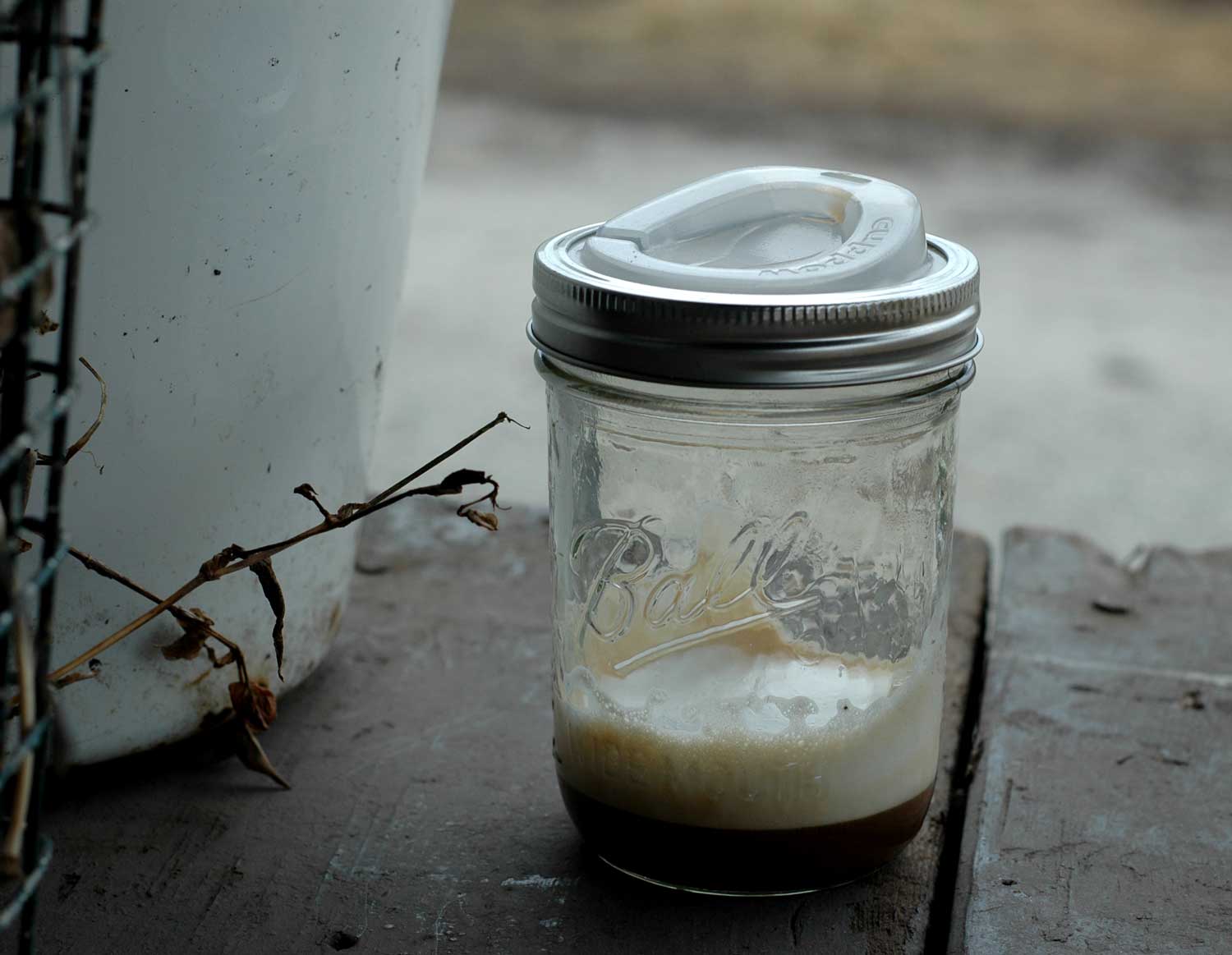
X. Use glass for leftovers. Plastic containers have a dreadful habit of losing their lids and eventually end up as waste. Mason jars don’t, plus you can wash them and they do not lose their shape or wear out. So use the plastic for kids lunches and the glass for leftovers in the fridge, and the lunch I hope you will take to work.
Y. Wear your clothes until they are worn out then reuse the fabric. Repair fallen hems. Do NOT buy sale items. Do not buy ‘Here today and Gone tomorrow fashion’ items unless you are 12 and you will DIE if you cannot have them, then start saving. Only buy what you actually need and matches your look. If this happens to be on sale that is Wonderful. Sales are designed to entice you to buy things you do not need. There is a rule, only buy what is very, very essential or very, very beautiful. Apply the Rule. If your drawers and closets are bulging, no more shopping! Most of these clothes are made off shore and the waste from those clothing factories is astronomical let alone the pollution. However if you see a little black dress that is perfect.. of course buy it immediately. Do NOT go shopping because you are bored. Clothes have a massive carbon footprint.
Z. Credit Cards are deadly in the hands of the thoughtless – if you cannot afford it you cannot have it!
Yikes I have run out of alphabet and the sun is coming up.
Grow your own Vegetables in your lawn, or your own herbs in a pot on the terrace or your own sprouts in jars in your kitchen or all three. Plant some flowers out doors for the bees. If everyone did this just think of the amazing food we would all be eating. It is a Win Win. And with your grocery bill going down you will save even more money into your coffee savings jar!
XYZ Sustainable means Sensible. That’s all. Thoughtful too. None of it is hard. It has all been done before. Cook at home and sit down to dinner every night with your family. Talk about it. Get everyone living in the house involved in saving some money and running a more efficient sustainable home and lifestyle. Money saved is indeed money gained – PLUS the added bonus of a responsible lifestyle lived within your means. Massive debt is not sustainable, it is a modern and insidiously destructive premise.
Living well and creating your own sustainably managed environment is awesome. Instead of just buying organically how about we live organically too. Sustainable cycles are do-able right there in your own home.
Windy, rainy and grey today. Tomorrow I shall name a few lovely bloggers who I shall pass these awards onto, I am late getting to the farmy already.
Good morning
Celi
 The Kitchen's Garden
87 responses to “The A-Z of saving money while running an efficient, sustainable home and lifestyle”
Apologies for not seeing this post yesterday; I couldn’t have nominated a more excellent blogger for the Kreativ Blogger or any other: you’re a treasure to all of us who are lucky enough to have discovered you!
Ronnie
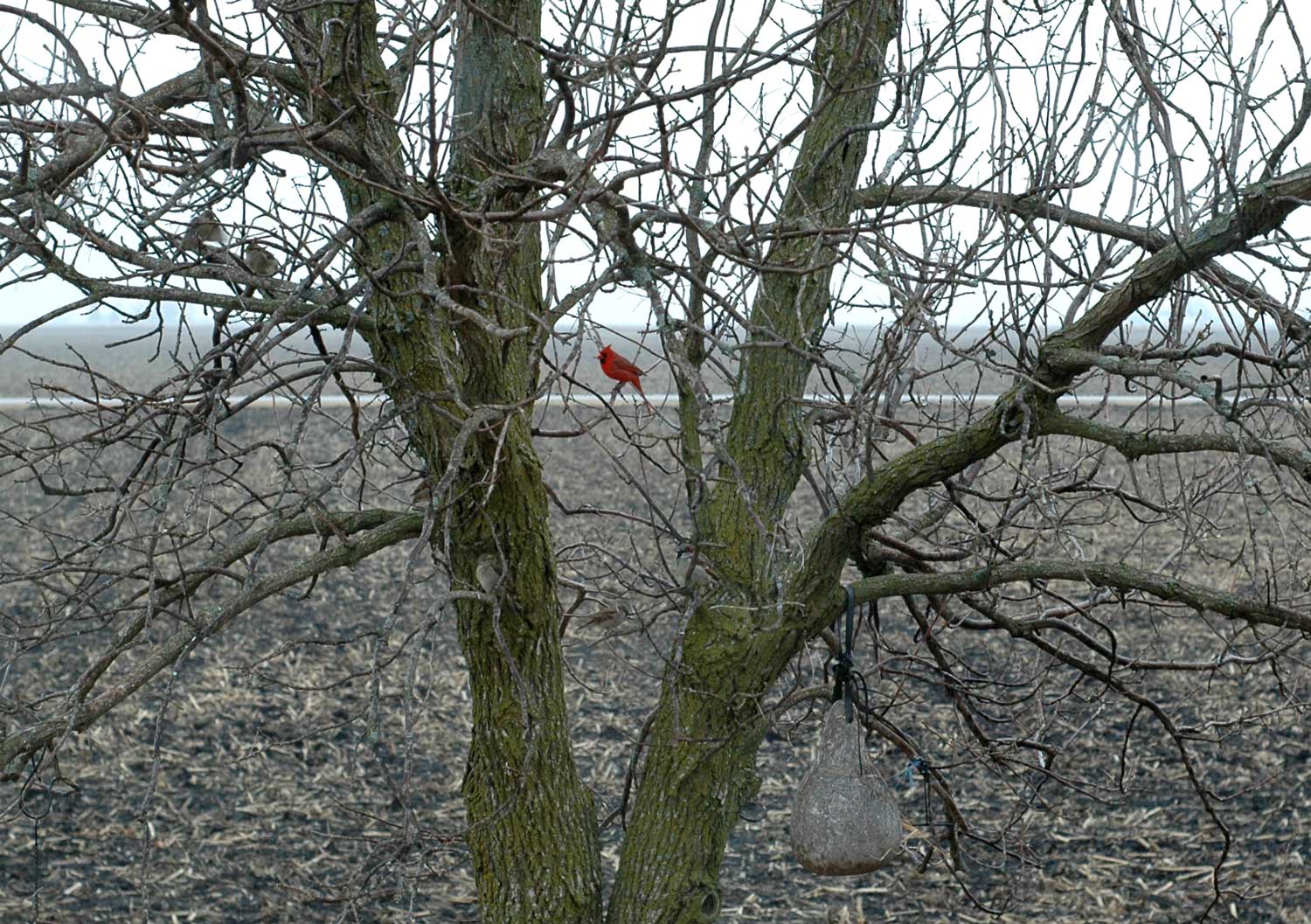
Love that bird photo, great composition, its like those old films where its only the red colours are shown and others are in grey scale.
While it may be true, as you say, that all of this is stuff we should already know and practice, of course we not only need to be reminded to do it, it helps immensely to hear how someone experienced and expert in it does it–there are so many new tweaks here for us to consider! So thanks!
We all learn as we go along!! It is good! c
I do some of this, but after reading your post I can see that there is so much more I could be doing. Thank you. 🙂
Fabulous post, C!!! Glad to see I’m doing much of what you recommend, though I think there’s always more to be done. A+++
Thank you, an A+ is way good!! c
Bravo! Wonderful post, great ideas, well thought out! I shall look forward to practicing what you preach. Not so sure about the hankies though 🙂
Many salient and useful points here, Celia. One of my concerns is the way parents and teachers are conditioning children to feel they must be air-conditioned. Bad for the environment and not doing the children any favors. It’s sad that we are reducing their resilience to environmental factors.
[…] I will add that I think your blog post Running an Efficient and Sustainable Home is well worth a read for anyone interested in more […]