

I am an ordinary photographer, with an ordinary old Nikon. Nothing special. No fancy pancy. People say to me “How do you do that? What kind of camera do you have?” So I thought I would jot down a few of the things I have learnt about taking photographs.
I don’t want to sound arrogant. I am still learning. Some really good photographers read these pages. So please join in. Sometimes I think it is a good thing to share ordinary information without all that techy stuff, that I don’t understand anyway. I am going to use old shots from a holiday years ago, merely to entertain your eye on the way, so we do not get distracted by the Farm Animals. Sometimes a picture helps. 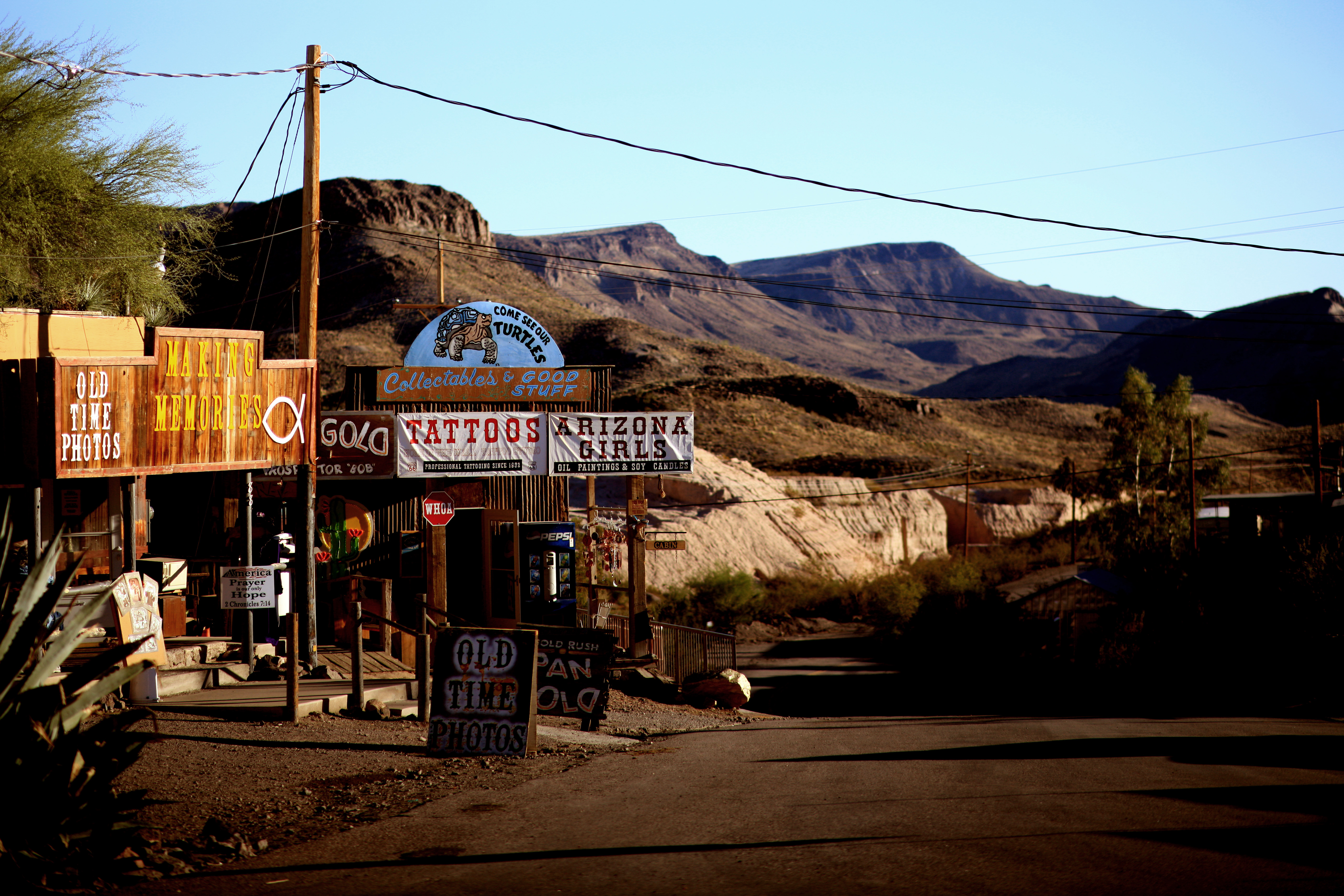
Taking a good shot for your pages is very simple if you THINK as you shoot. I am not talking about Food Photography – that is not my forte. All I know about Food Photography is to have natural light, a pale background, declutter, a prop, and a TriPod. I am still learning that too. What I want to talk about today is the photos of your streets, and your flowers, your animals, your mountains, your people and your stuff. You are surrounded in some wonderful, individual, very special images that only you can see. You will interpret them in your own particular way. So don’t be afraid. Come on out of the Camera Closet. Come out and Play.
You do not need a fancy camera to create a good photograph. You don’t particularly need Photo Shop either though it is a useful tool. Even though something like Photo Shop will make a good shot better, and a fantastic shot awesome, a crap shot will still be crap. So decide your level of excellence and delete the rest. I prefer to rely on using the camera to produce a good image to begin with. So lets take a minute and look at what you are going to shoot. Ask yourself what you want me to SEE. Then think: Composition. Contrast. Clarity. Celi’s Three C’s. This will always give you one great shot per set.
Study other peoples photographs. I personally like to study newspaper photographs, because these are very seldom taken in a studio. They use available light. They have limited time. There is very little dressing done to the location. And their images have to tell a story. So study them, get a pen and create thirds -horizontally and vertically and look at that photographers choices. Look at the focal points. Look at the light. Where was the photographer when he took the shot.
Now think about Celi’s Three C’s.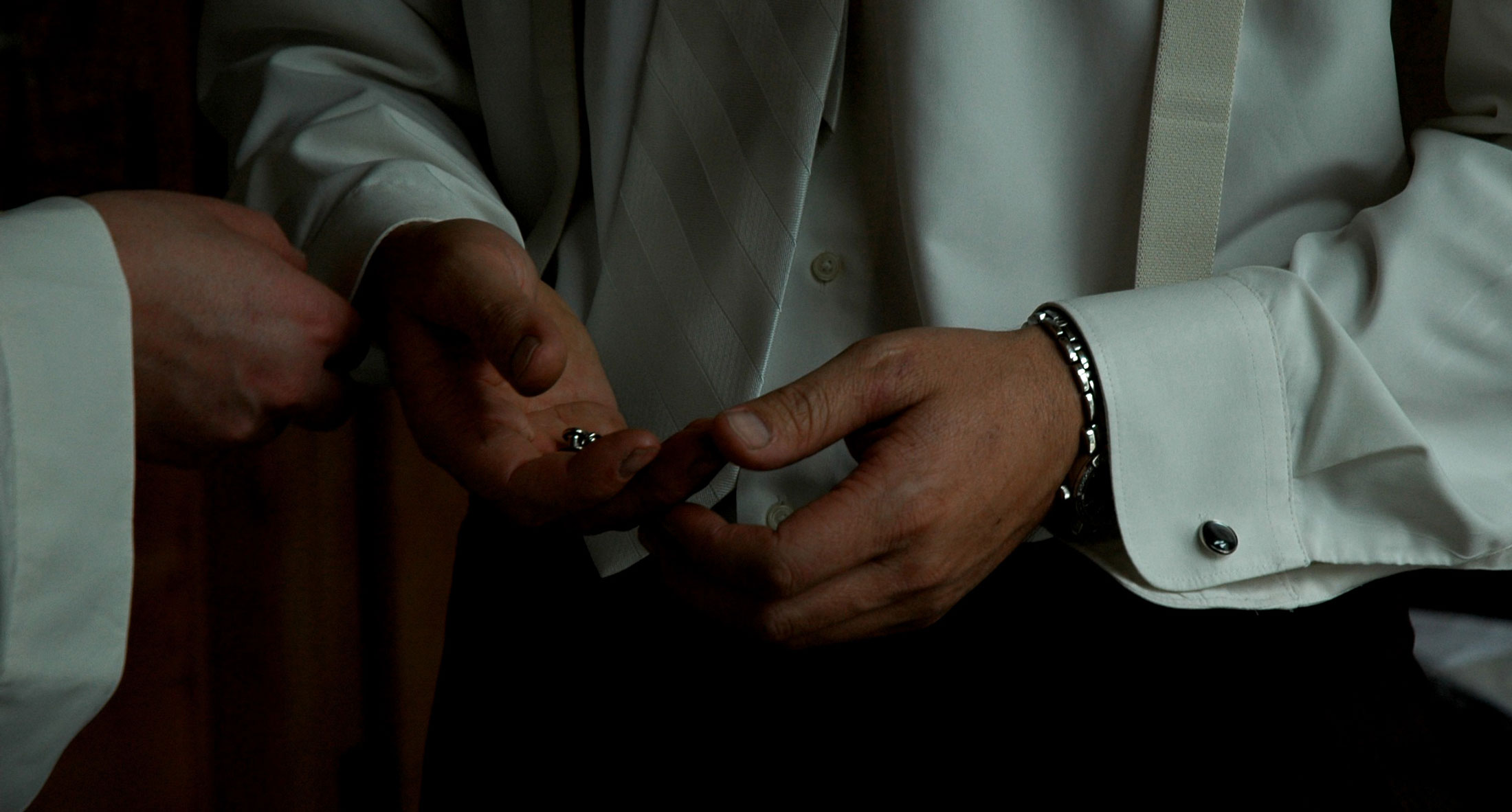
1. Composition.
Divide your composition into those three sections vertically and horizontally. You will have four lines and nine boxes. Think about where you want your subject to sit in your grid. Your focal point needs the best light and the focus. Your viewers enjoy symmetry. I tend to compose with the subject in the left third looking into plenty of space or the right third looking back. You may prefer a central image like the one above. But make a decision.
Think about different levels. I almost never take a shot standing, unless I am standing on top of something to get height. When you are buying shoes you stand in front of a low mirror – looking down on them does not give you the best image. So crouch, or lie down, or climb a tree. Or do all three. Lean to the side. Please stay out of the gutter and try to stay clean, unless you simply must get filthy in pursuit of the perfect shot. And do not stand on the car if your husband is watching.
Look at the background. Ensure that your horizon and the lamp post are both absolutely straight. Use your grid for this. Be fastidious about this. Always give me one clear line to hang the image on. Unless you really want everything to be mis-aligned or on a diagonal. I was trained by Dad on the beach, taking shots of the sea. Out here on the prairies it is the same. Any tilt in that horizon ruins a shot. A tiny angle on a roofline kills it. The line of the ceiling, or a fence or a kitchen wall. Even a tree. So straighten that horizon before you shoot. Now look and make sure there is not some stray object in your background. Check all four corners as you go. My mother said all four corners should be different in her paintings. My father would say get all that rubbish out of the shot.
Get close to your subject. Allow your subject and his environment to fill your screen. If you are unable to crop your image later then crop with composition. Maybe only a quarter of the image is more dramatic. Get closer as long as you do not compromise your clarity. Keep thinking, take risks and make decisions.
Use foreground. Sometimes shooting a landscape with something in the foreground like long grass or a tree or the corner of a building immediately creates depth.
Allow room for the eye. My mother was an artist. In fact when we were little she set up a child’s play pen, and sat Herself in the playpen so she could paint while we played, without anyone knocking into the easel. Anyway she told me when she painted a landscape that she always gave the viewer a gap, or winding path or open gate so that their eye could walk into the scene and rest there.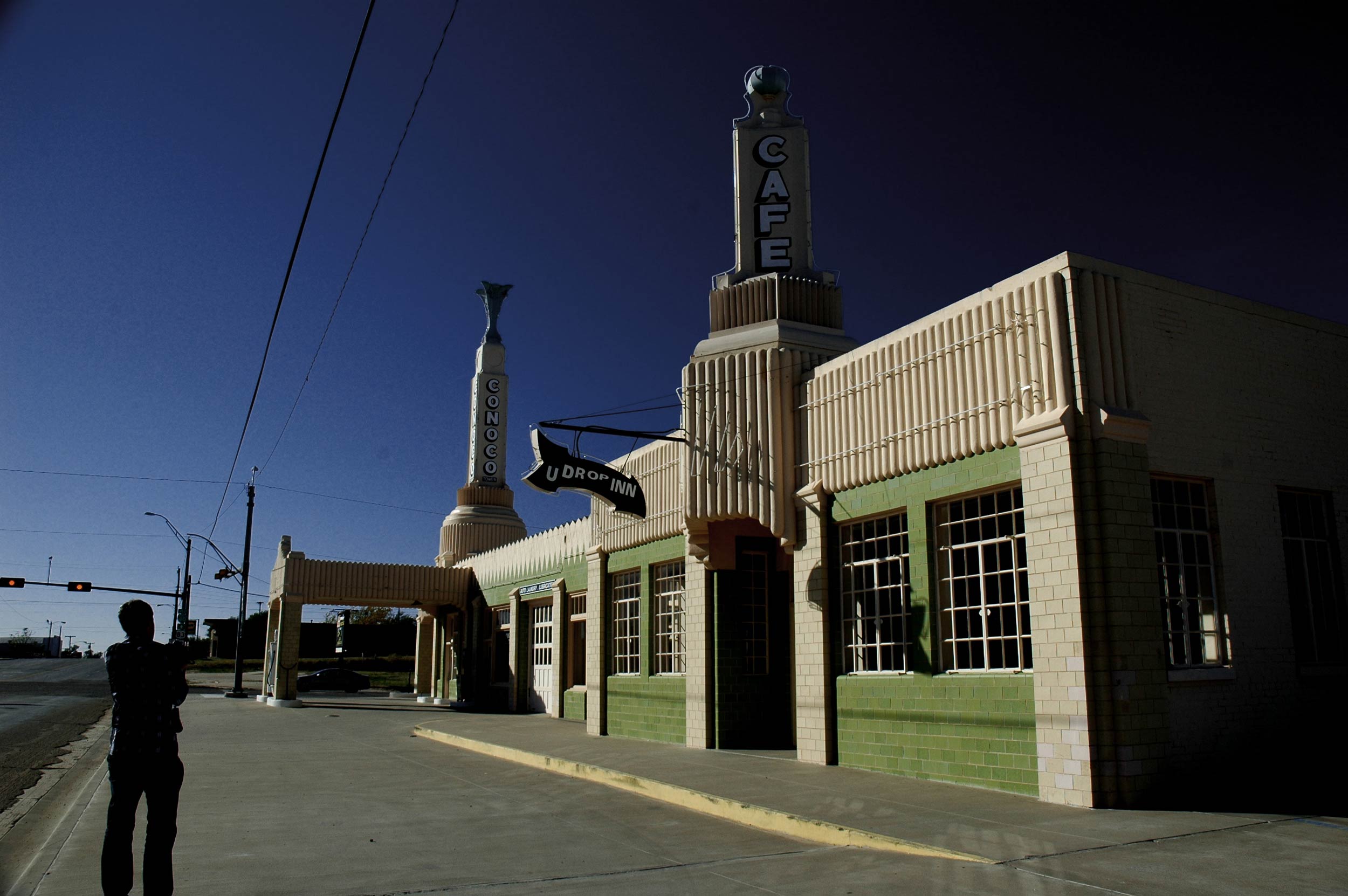
2. Contrast
It is all about the light. Back lit is dramatic. Side lit is nostalgic. Heavy white cloud adds depth to colour. Light does all kinds of fabulous stuff. So look at your light source, usually the sun and use it to your advantage. Look up, Look across and Look down!! Study your light. Remember that light reflects. How will you capture it.
You want a contrast between light and dark, soft and strong. I know this sounds simplistic but it is a major decision. Focus on the area that you want to be clear and well exposed. Allowing the rest to go darker or lighter. With a little snappy snap camera you still have choices.
Natural light is always going to be better. Avoid a flash unless you can set it on low or direct it into a reflector. A flash flattens your subject. I hate flashes. I want to see your light. You all know that I prefer late afternoon or early morning. Lovely low winter light is my favourite especially with animals and faces.
Position yourself to take advantage of your light. Once again. Look up, look across, look down. Where should you be to take advantage of the light. “You’re in my light!” was heard shouted frequently in the big house at the beach where I grew up. If you are inside in low light, secure the camera so it is rigid (tripod, pile of books, whatever)and adjust your settings for low light. But do not stand in the light! My Dad told me where there is light there is a photograph. 
3. Clarity. Use a tripod or as I often do, lean your camera on the camera bag, or on a bucket, or on the side of a door, a wall, fence or the car (as long as the motor is not running) or hay bale or fence post, even a shoulder if you have a spare one lounging about. Your camera may have a stabiliser but nothing is better than tight and still.
Ensure that the subject is sharp. If it is an animal or person focus on the eyes. Wait to get your focus before you fully depress your shutter.
Release the shutter and wait for a second. Look at what you have done. Do you need to do that again? Many shots are ruined or lost by depressing the button then running or turning. Make sure your work is in focus and the best you can get before you move to the next shot. (The joys of digital). Slow down. Later, look at your shots with a tough eye and delete, delete, delete. Don’t waste your time on rubbish, go get the good stuff. Do it again.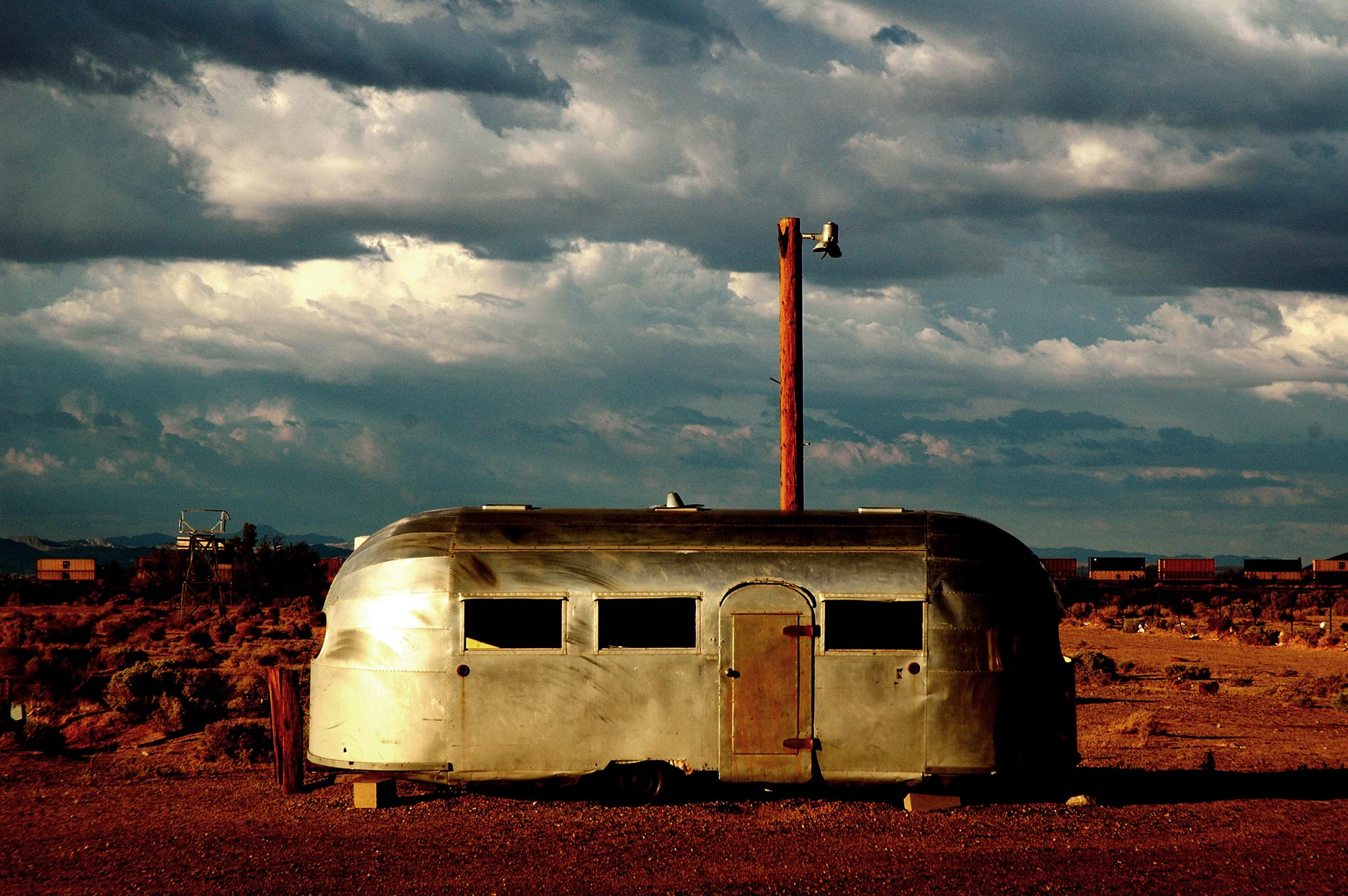
I was talking to a jazz player once. I asked him how he learnt how to play this jazz with such accomplishment. He said he studied classical music in Paris (somewhere posh) and once he knew that he had a thorough understanding of the principles of good music (and this took years), he took some of the rules and broke them, creating his own form of jazz. But he said he could not have broken the rules in the right places without knowing the music first.
So look up, look across and look down. Practice seeing. And keep shooting until you start achieving your objectives. Which means you have to think about your shot and choose an objective. 
Fear is your only enemy. Sometimes you just have to walk around the corner, surprise a surprise subject and shoot the hell out of it and hope you get one good shot. See above!!
So, go and buy a newspaper, find a shot you love, draw the grid and study it using Celi’s three C’s. Then get that little old camera out of the drawer and start shooting. Then shoot some more. Every time we get something wrong, it helps us work out how to get it right next time. So take good note of the failures, they are important learning. Then do it again. Then show me.
And remember you do not need a fancy camera. You just need you, any camera and a Plan.
c
 The Kitchen's Garden
135 responses to “How to take beautiful photographs for your blog with an ordinary camera”
Wonderful post on photography, Miss C. Makes it sound like such a lot of work, which I’m sure it is to get it right…
Interesting post, Cecelia.