

(For some reason this morning none of my photographs would load for the early post. Thankfully, and for no apparent reason, later on the problem fixed itself – apologies to earlier readers who missed out on these few pictures.)

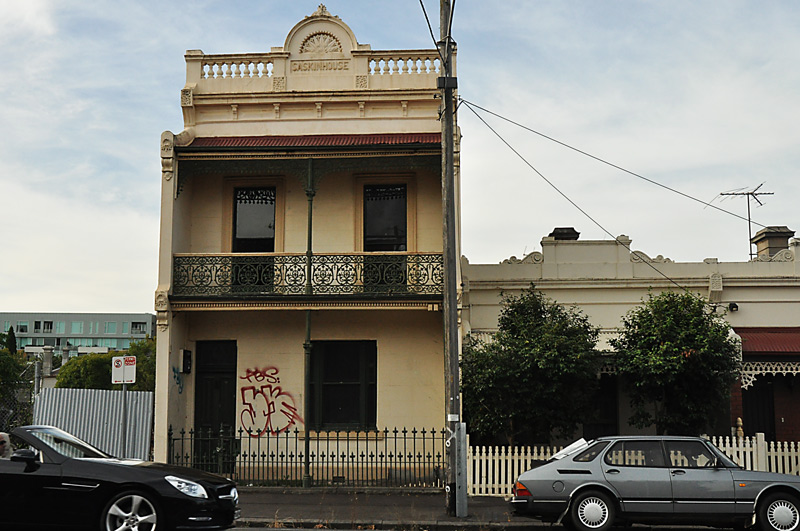
In New Zealand this would be called a Dairy in Ausralia they call them a Milk Bar. Interesting, these colloquialisms.
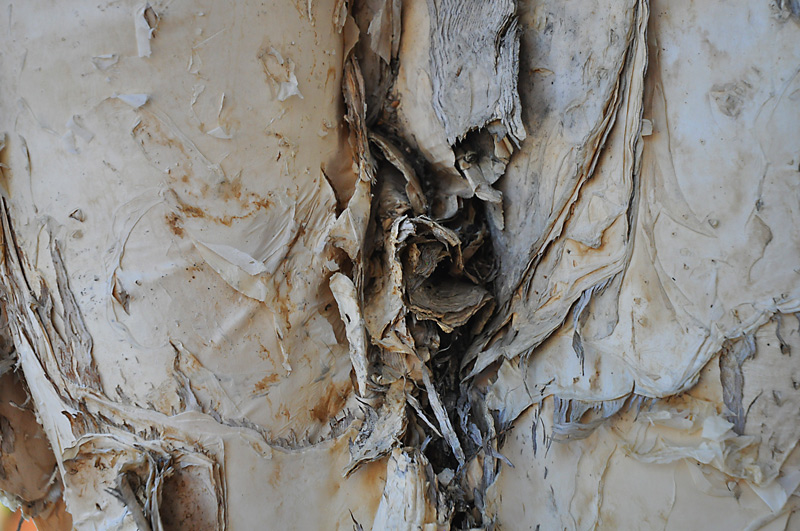
In Melbourne yesterday, when we were all walking down to Lygon Street to have breakfast, we found a Paperbark Tree. The tree itself was not an unusual find but we had my cousin with us and she is a teacher in the Northern Territories working way out in the outback with indigenous peoples and told us how important this tree is to the indigenous peoples of Australia.

Maria: Traditionally, in the East Arnhem, N.T, when a person passes, their body is wrapped in paperbark (a member of the Melaleuca genus) and laid to rest out-bush in the final stages of the sorry-business ceremony. After a year has passed, the remains are collected and placed inside a hollow log; lorrkon. These are decorated according to their country, tribe, family and painting style specific to the area. Effectively, the loved one is returned to their ‘country’.
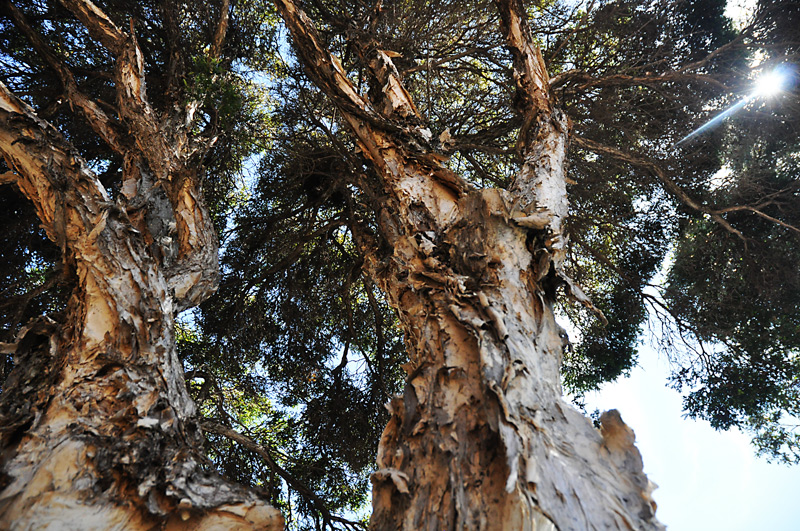
(When the indigenous peoples of Australia refer to their ‘country’ this means the small area in which they live or come from. As in the mob (people) from the salt lands country, or the sunshine country or the sunset country. A country can be just a few square acres or larger.)
As an interesting aside Archeological digs have shown that the Northern Territories were originally settled by the indigenous peoples of Australia almost 40,000 years ago.
Melbourne is a comparitively new city with a good port. In the early days it was founded by renegade politicians with wool money and then the gold rushes of the mid 1800’s pumped it up to city level. By the late 1800’s many of Melbourne’s streets were serviced by a well designed network of electric trams and these exist to the present day as an efficient means of public transportation. They have their own lanes with wires above and tracks below. The tram lines run right down the center of the very wide streets that characterise Melbourne. When a tram stops it puts out little Stop signs to stop the vehicular traffic so passengers can alight into the road and move to the footpath without fear of being run over. Sometimes small areas of the tram lanes into fenced into safe bus stop area so the passengers can wait safely in the middle of a four lane roadway for their transport to appear. In fact many more streets were designed to run trams than actually have trams, some of these extra wide streets now have parking in the center, some have a wide grassy strip with trees. This adds to the peaceful feeling of the area of Princes Hill where my daughter lives and where I spent yesterday exploring.
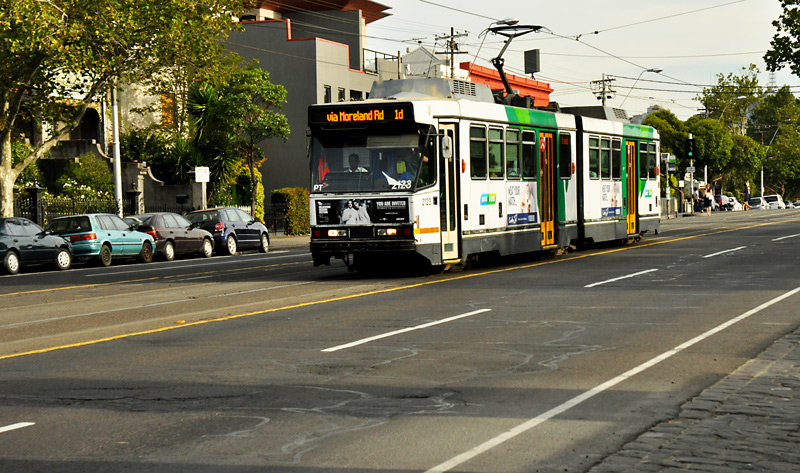
It almost seems to me that the town fathers designed this very lovely town around the trams instead of designing a town first then thinking about public transportation later.


Today we launch ourselves out into the city again. Then tomorrow we go camping.
Have a lovely day.
celi
 The Kitchen's Garden
61 responses to “Melbourne: Trees and Trams”
I love Melbourne .. Have fun camping 😊
Hi Celi, I’m new to your Blog- referred by ‘redhairedgal”. I have a little something to add regarding Melbourne’s wide streets. I’m 3rd Gen. Aussie, but live in California now. Growing up, my Mother told me that the main streets of the City Center were 1 chain wide. I bet 99% of people will ask, “what’s that”? It’s an old English measurement that is 66 ft. or 22 yards in length. And my Mum said that before there were trams, the wool wagons pulled by 6-8 pairs of oxen or horses- (think the Budweiser get-up), needed that amount of roadway to make a U-turn. Now who was I to question?- Mum was born in 1905. Cant’ say it’s God’sTruth, but it makes sense to me. And I also second the recommendation of “Morgan’s Run”- fabulous book.
ME! I know what a chain is.. there is a chains worth of land on either side of the NZ rivers that is public land. Wonderful info – I will send this to my daughter – we spent ages discussing the pros and cons of why the streets were so wide.. Thank you!!
The cars parallel parked in the photo look like they are so close together it would be hard to get out of the space!
[…] via Melbourne: Trees and Trams — thekitchensgarden […]