
Hello from a back porch in the Midwest. Though I live in the suburbs, I feel at home here at Celi’s site. You see, I like to think that I grew up on a farm. One that is still productive in Northern Greece.
Well, I didn’t actually grow up there, I was 30 when I arrived. But I did grow—a lot. In awareness of nature, history, and culture. Living on a farm there, I also grew in appreciation for some important things children can learn, like watching the world . . .
It was 1970. I was engaged in a two-year project in Thessaloniki, the second largest city in Greece.
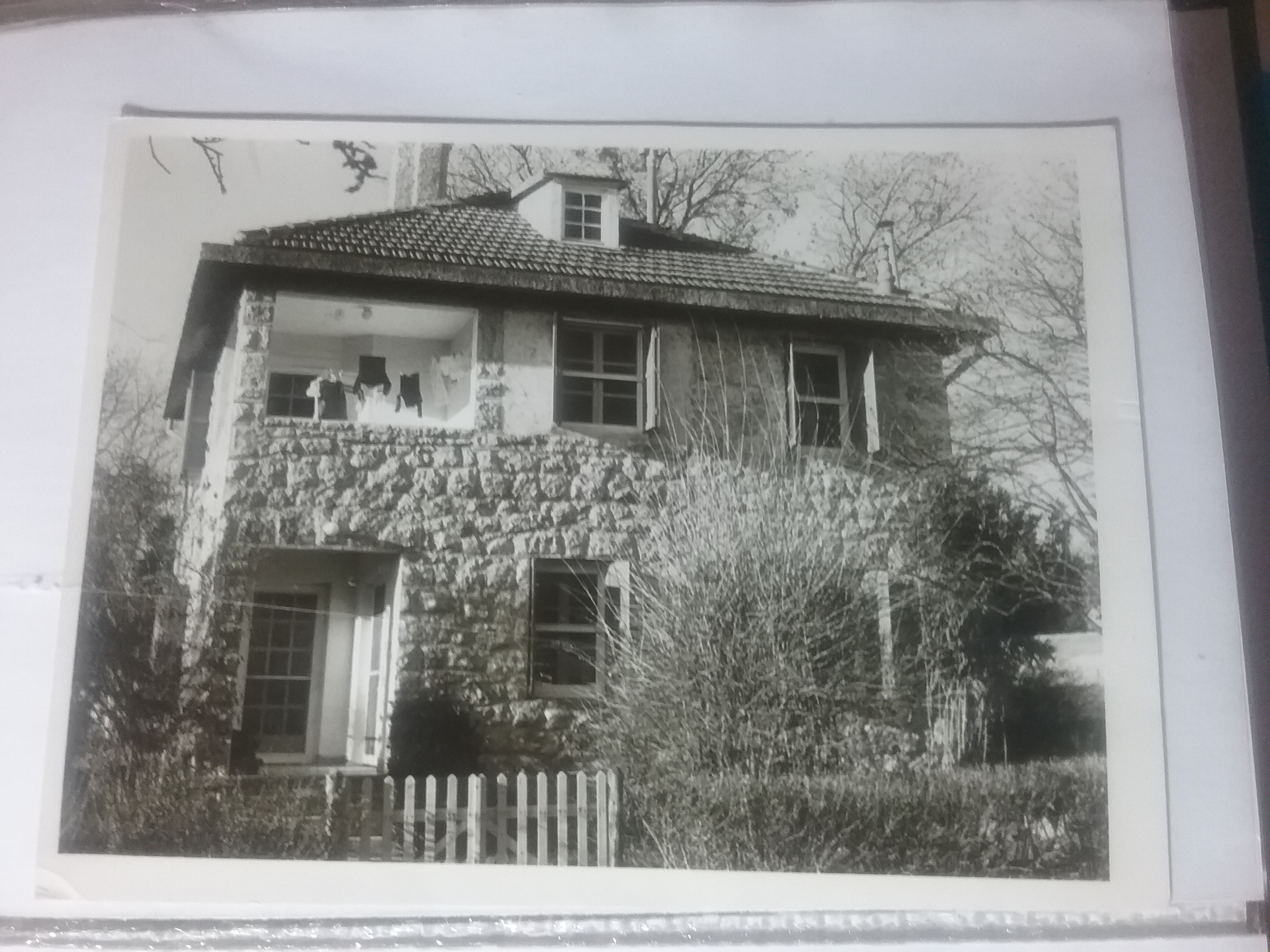
We were renting a house on the property of The American Farm School.
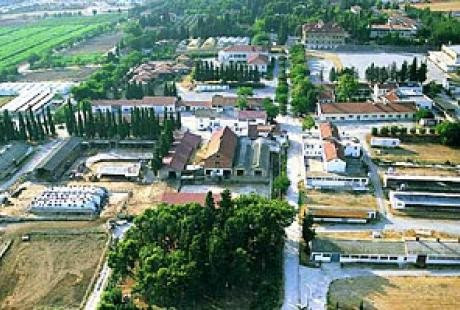
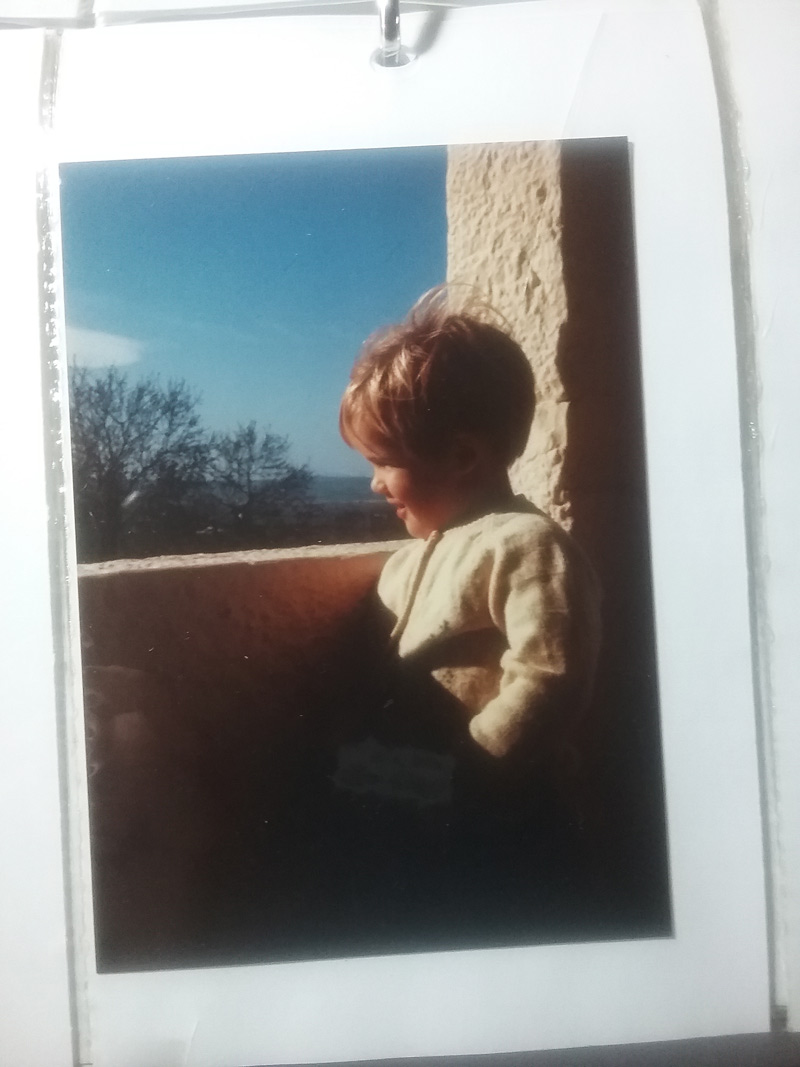
Each day that I went off on the half-hour bus ride to work, my wife and our three-year-old son walked the lanes and visited other families employed there.

During those two years, I discovered a significance in poetry and myth that had escaped me in my own schooling. Among other things I learned the meaning of halcyon days. It may have been an effect of the light or the always present sea.
We could see it from our porch.
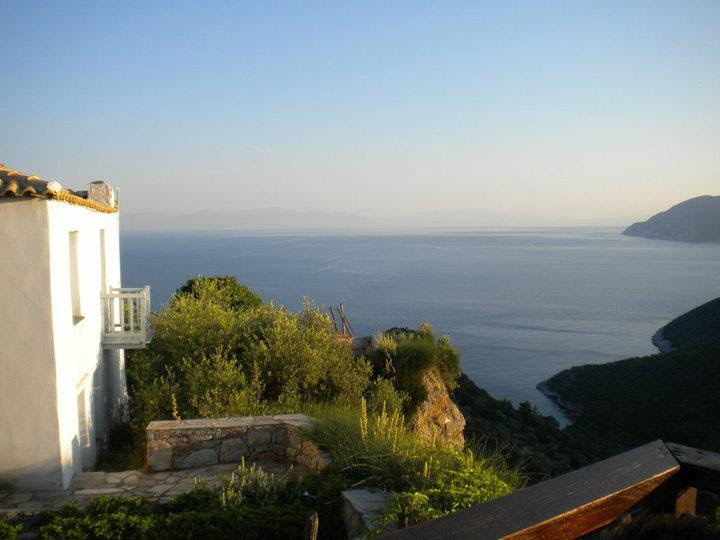
We thought we could smell it, though most days it was the fresh manure from the farm animals that had been recycled as fertilizer on the field across the lane from our house.
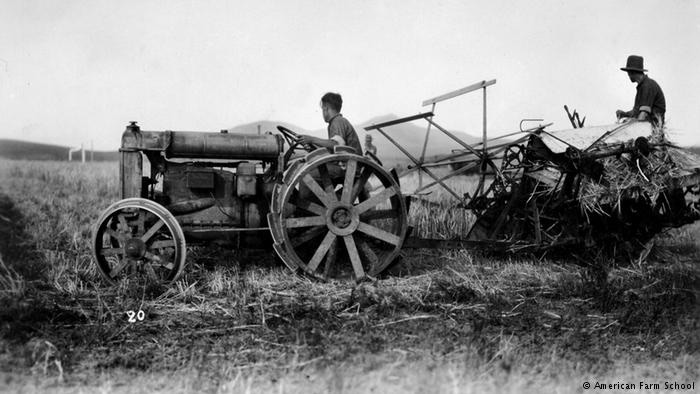
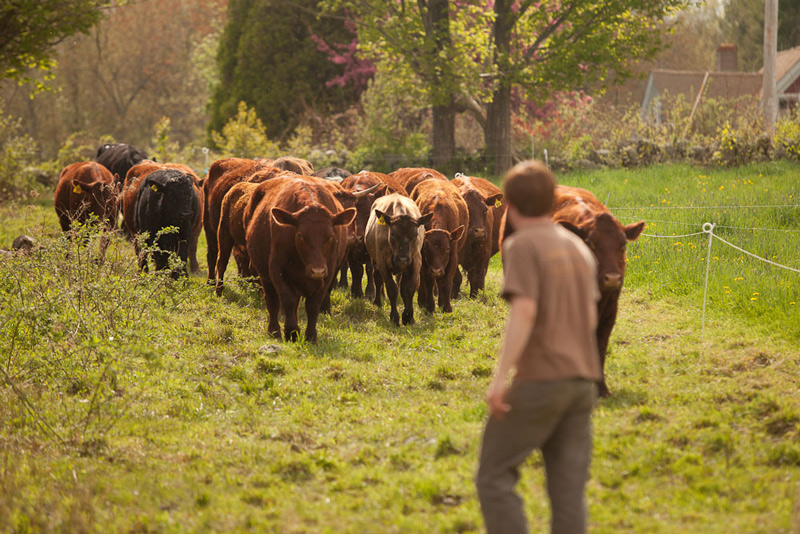
We all grew in appreciation of nature and of the simple life. Some mornings I would be awakened by an old tractor chugging along the lane. In winter the stone house was cold, with only slices of sun breaking through the wood shutters. I had to fill the oil stove in the upstairs hall, light the wick, check the black stove pipe for leaks. Soon we could huddle in the hall, dressing, our four-year old son eager to get outside where the action was.
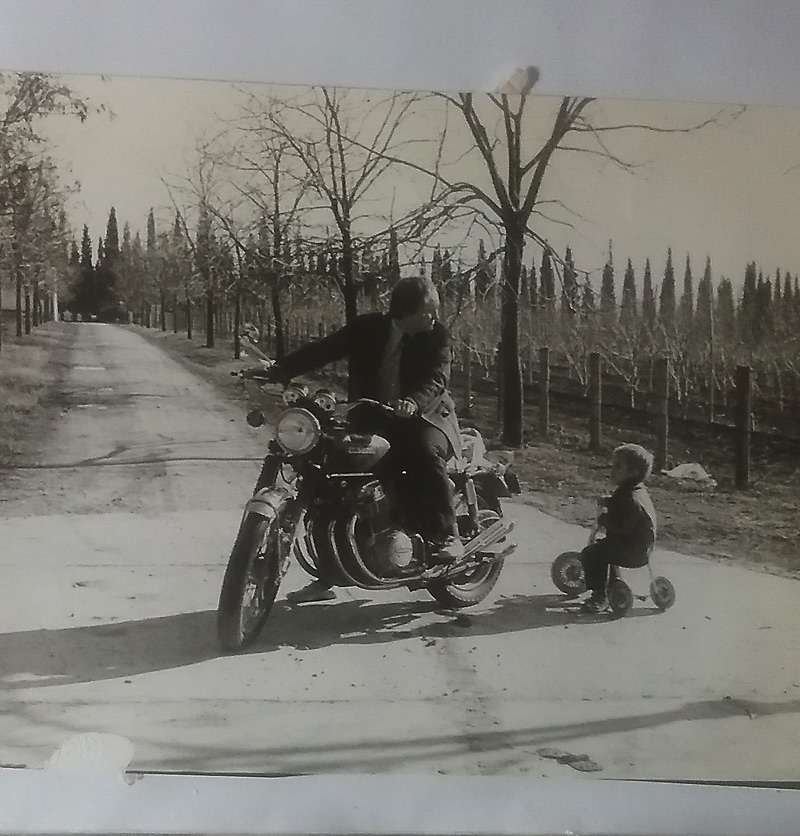
No matter the season or weather, Albie often followed the tractor, scattering the chickens as he pedaled down to the two large barns, one for the pigs and one for the dairy cows. Sometimes he tried to climb the small trees, like the one we sometimes sat under waiting for the ripe persimmons to fall into our plaos.
There were no cell phone cameras of course, but I have retained many images, some of which match the pictures I see now on Celi’s blog every day. I am not aware that the workers at the Farm School named their cows and pigs and cats, or talked to them affectionately, but I’m pretty sure that Albie did. Probably the students did too..
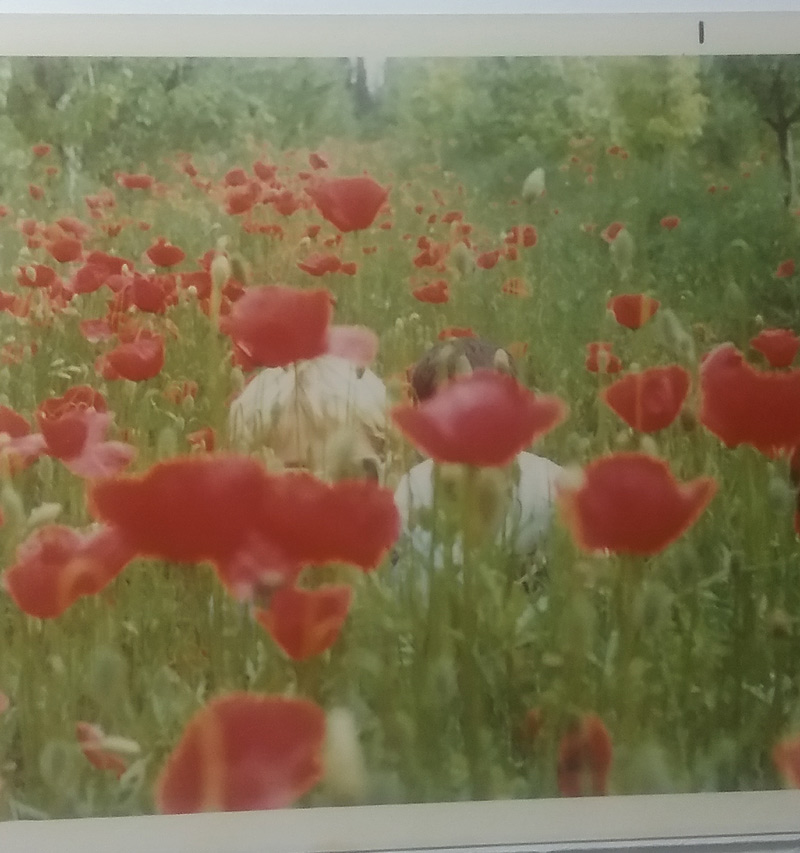
Albie loved the flowers too. He even told a neighbor lady once that he was a flower. Another time he came home with tiny white petals in his hair and on his clothes.
* * *
“Here’s my coat. I got flowers on it,”
The boy said, as if flowers were punishable, like dirt.
The blue coat was white with petal parts
that looked like snow. He must have rolled in it.
What could the father say,
Who had instructed the boy to follow rules of cleanliness,
And to report infractions.
He might have said,” Next time stay away from flowers,”
If he hadn’t realized what it sounded like.
He started to say, “How in the world did you manage that?”
–really wanting to know,
Instead, he thanked the boy, smiled, and walked away
Holding the coat close, and holding on to a dream
Of one white-haired child, crouched behind a bush nearby,
Waiting to surprise his friends with flower balls.
* * *
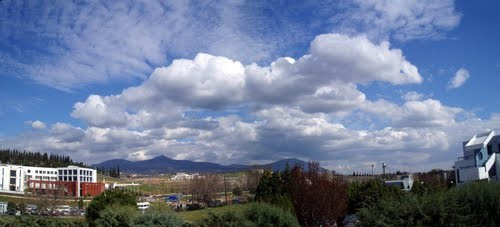
Backed by bare mountains, the Farm School rests on a gradual slope leaning towards the sea.
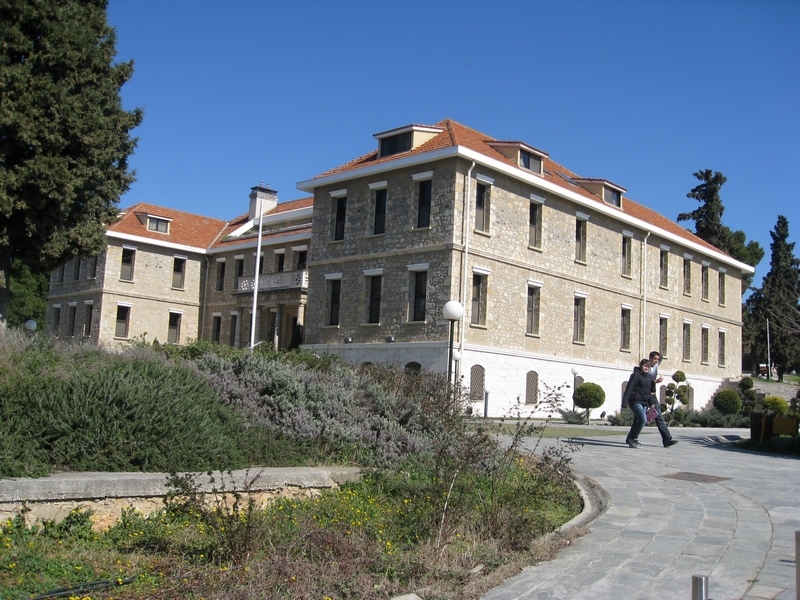
It was founded in 1904 by John Henry House and his wife, Susan Adeline. They had spent the previous 30 years doing charitable work in Bulgaria.
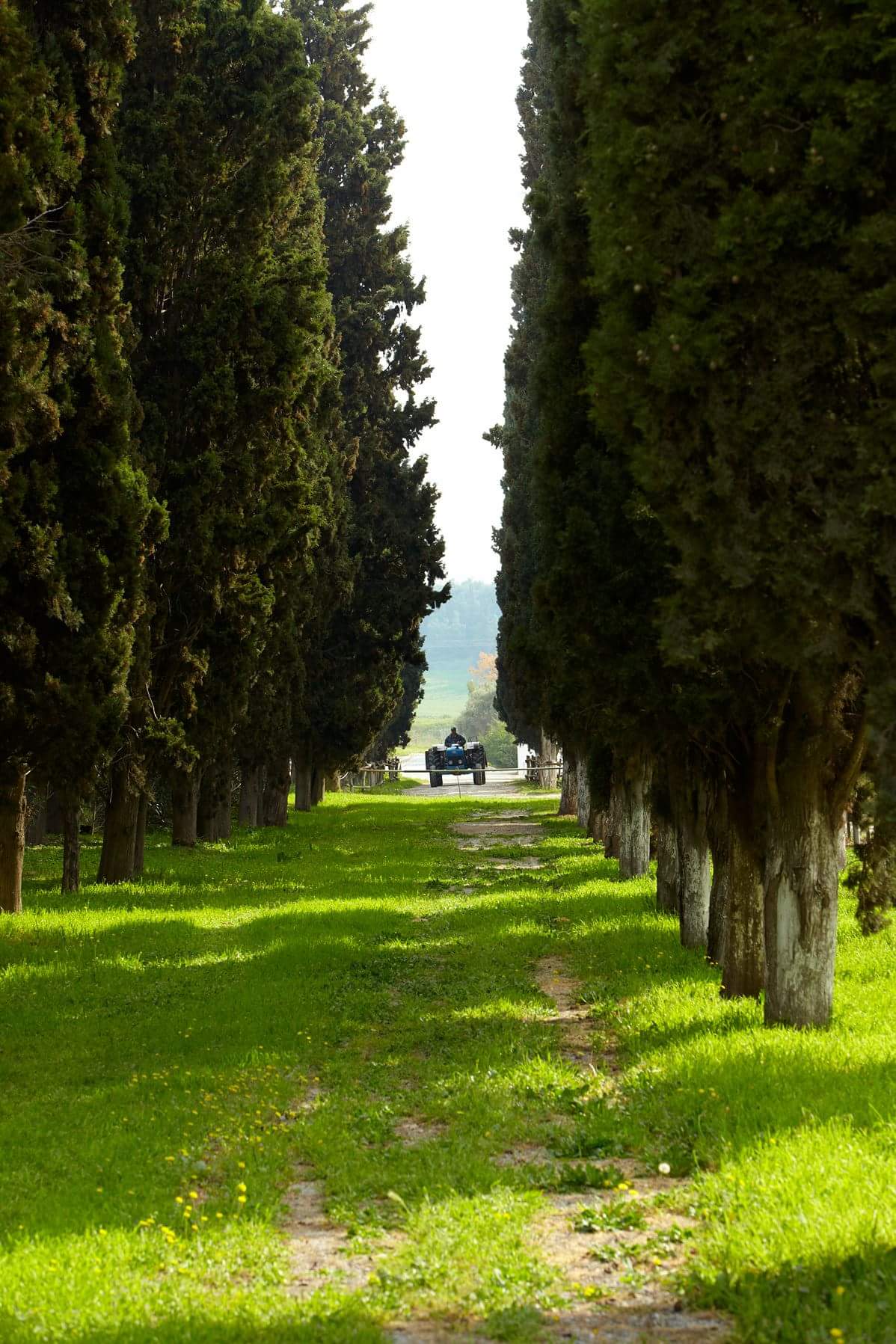
The first students were boys orphaned in one of the many uprisings marking the collapse of the Ottoman Empire in Europe. Dr. House was known as a practical idealist, dedicated to “educating the whole individual: the head, the hands, the heart.”
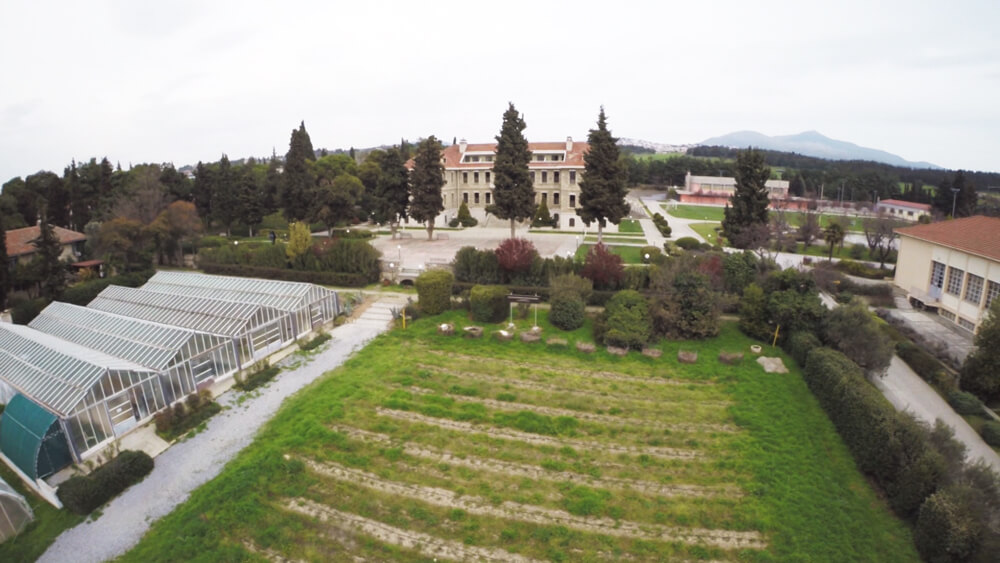
By the time we arrived there, boys from villages slept in bare dormitories at night and by day followed a curriculum based on the goals and principles set by the founders. My son was welcomed by them and by their instructors, and he spent happy moments being “home-schooled” occasionally at the edges of barns, sheds, paddocks, and fields.
Albie has his own family now. And he seems to be teaching his son some of what we both learned back in those years together on a far-away farm that was also a school.
* * *
Notes:
The school has grown a lot since we were there. Some of the photographs above are borrowed from its website or from associates and friends of the school. You can tell which pictures are from our family album.
Albert.
Albert blogs and writes at Albits. Occasionally you may find other poems of Greece if you visit.
 The Kitchen's Garden
75 responses to “Guest Post: A school of Farming”
Charming memories and photos. This post reminds me of two things.
First, one of my all-time favorite books, “My Family and Other Animals,” by Gerald Durrell, about the summer his family spent in Greece, when he was 10 or 11 years old. Non-fiction, about his fascination with animals, laugh-out-loud funny.
Second thought is about what used to be Savannah’s Bethesda Orphanage and Farm School. It was started by the Anglican reverend George Whitefield (so famous that Ben Franklin devotes a couple of pages to him in his autobiography). Whitefield wanted to inculcate orphans with religion and useful work. At one point it was 90% self-supporting with its produce. Now, its 640 acres has been commandeered by real estate and other developers, and the 25 resident boys no longer work in fields or with animals. It’s disheartening to me, because this National Historic Landmark could provide a desperately needed home for displaced children as well as opportunities to learn the character-building joys of farming.
Apologies for the long comment, but your post inspires me to dream about what we can do as communities to make better use of what we already have.
Al and family, thanks for sharing photos and memories. Jefferson said “…that a people would stay true if they stayed connected to the land”. For most of us that means digging, scraping and planting in our city or burb garden. The smell of the earth in Spring is wonderful, seeing bulbs emerging again, etc.
Thank you, Albert, for the beautiful pics and story and for bringing back lots of memories. I’ve been in Greece several times in my life, I like their language, their music and their food – and, as you mentioned the dairy cows, the very best Greek yoghurt comes to mind. They used to sell it in small mugs along the roadsides of the villages (I think this is no more the case now because of the strict European rules). Thank you for sharing that part of your life.
Hi Irmi, ah the yoghurt, best I’ve ever had. And I agree about the Greek language. The food, not so much, unless we were at a small taverna by the sea with white paper table covers, retsina, and octopothi or calamari, and cucumber with olives.
Beautiful poem and lovely post, Albert, thank you.
Glad you enjoyed it, Ardys. The poem sort or wrote itself. I’m glad that a friend saved it. I had misplaced it years ago!
how lovely – the words, the photos. So happy you were guest blogger. What a fantastic experience. I lived 4.5 years in India in the early ’70s. It was life-changing. Glad your son got to do that.
India, now that must have been quite an experience. A world in itself, whereas Greece is so much of an inheritance for us in the West that it is surprising for the most part only in the language and (for those who live inland) views of mountains and sea.
I so enjoyed this post! Thank you .. wonderful images 😃