

So, I am writing a lesson plan this week for my course in teaching English as a Second Language. I have a question for you. If you were to emigrate to another country. Or if you are an immigrant. And you do not speak the language of that country. You are a Beginning Learner. What piece of language learning would be most important for you?
AND MAKE FOR AN ENGAGING HOUR OF LEARNING. 
Hullo, goodbye. Thank you. Please? (Let’s pretend we already know these) .
How to ask for and follow directions?
How to order food? Or buy the food for a recipe? I am leaning towards food – we could make food. It would need to be cold. Make a salad for instance or a sandwich – this would give us lots of vocabulary – verbs and nouns.
How to navigate a supermarket or the words you would use to describe yourself and where you come from?
How to order a coffee? ( this one I always learn before I leave home). And would make for a tasty class.
Throw out all your ideas. I like my lessons to be task based and like to add drama or role play into each class. And I would love your input.
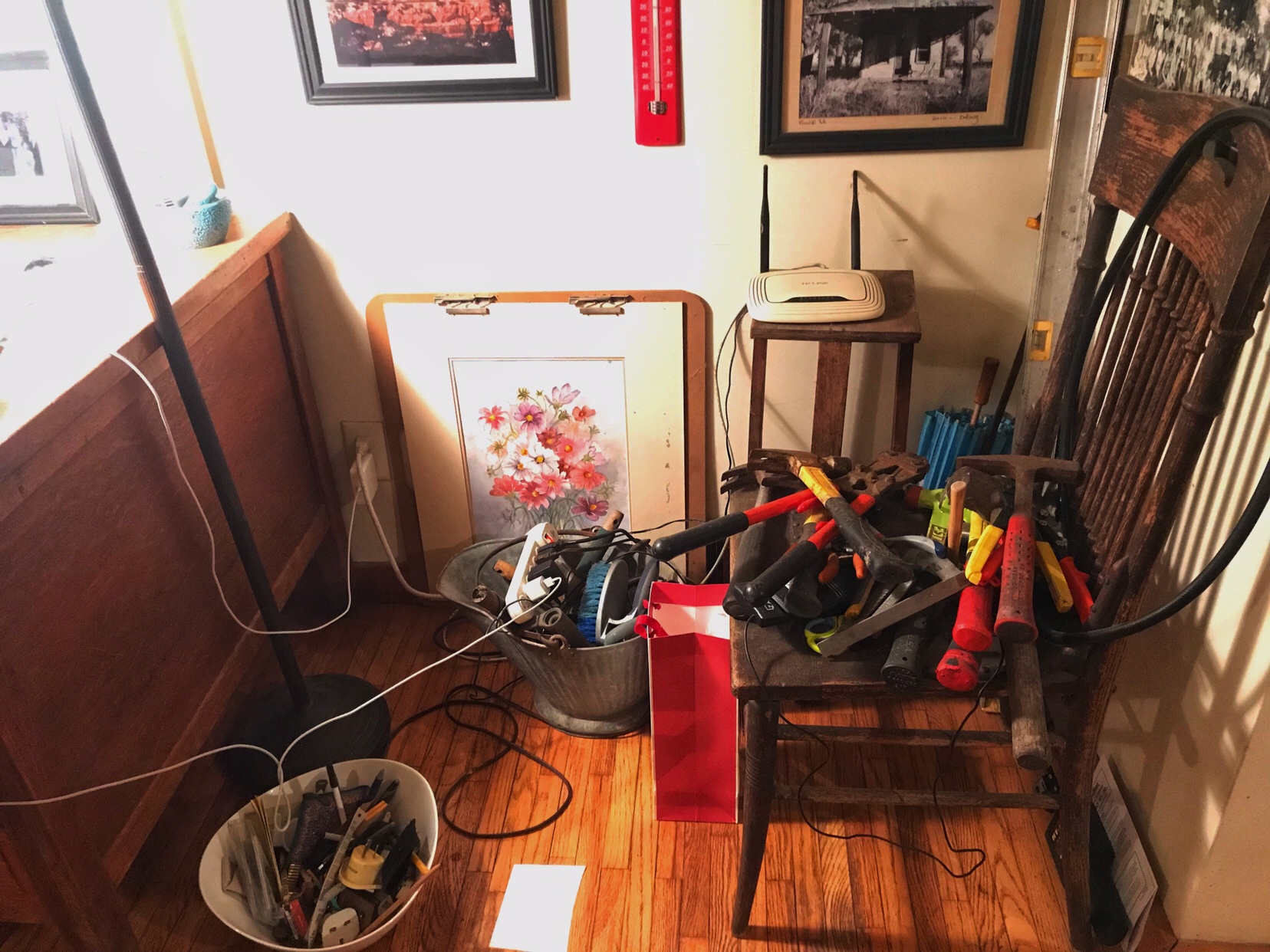
Yes, that is my tool chair – right by my desk. One day I am going to bring in the tin tool chest from the shed that I never use because I like to keep my tools close by so I can keep an eye on them. There is nothing more frustrating than knowing you own the right tool for the job but not being able to find it! And I do not see my snub nosed pliers. Someone borrowed them while I was away. Also my extra large red adjustable spanner is missing. I will put hunting those down on my list for today.
Work, work, work!
Celi
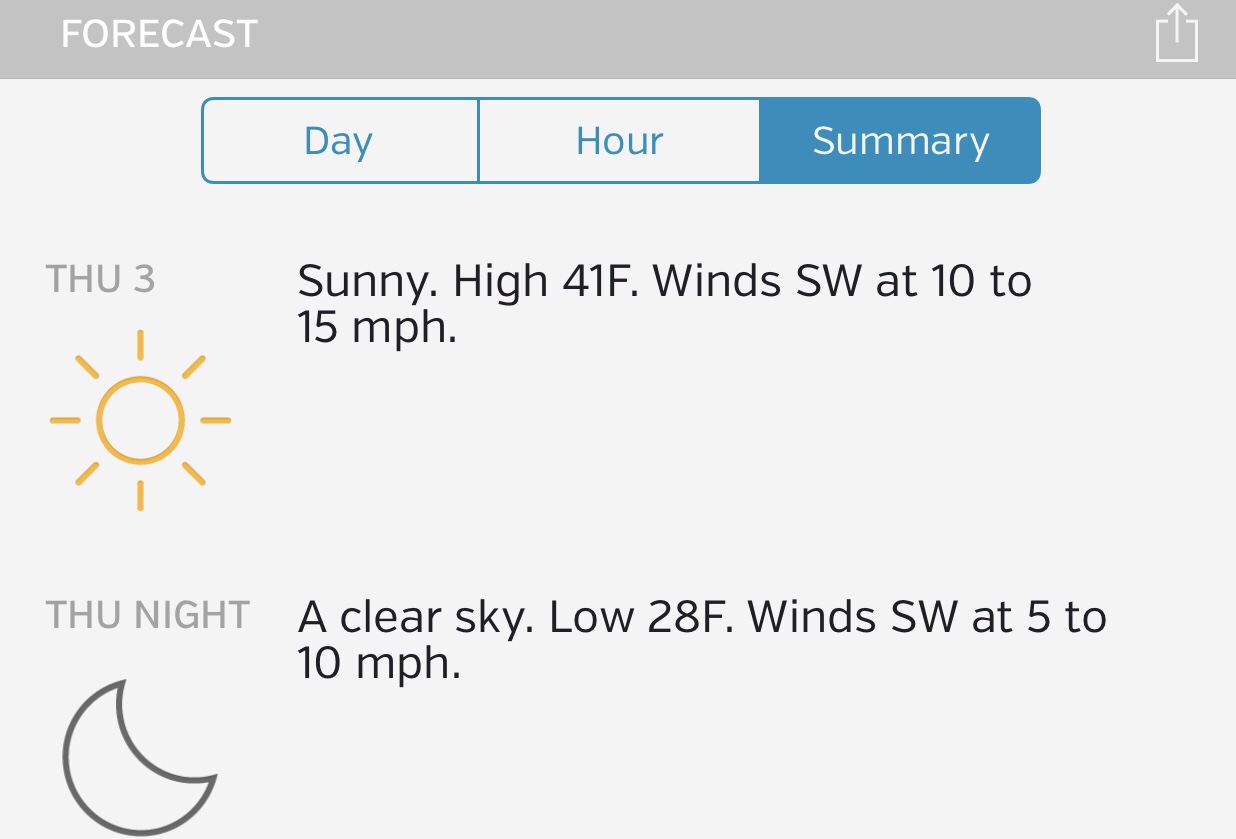
WEATHER: At last! A sunny day!
 The Kitchen's Garden
91 responses to “A QUESTION FOR YOU”
I think food is an essential basic for new migrants, and along with that it would be helpful to teach weights and measurements since the US system is different to most of the rest of the world who uses metrics. That was one of the things I found most difficult when I moved to Australia. I simply didn’t know how much weight to order of something, what 100grams looked like, that sort of thing. Migrants would most likely buy in bulk if they can, since it is cheaper and to buy in bulk one needs to know measurements…at least a few basic ones.
Good evening, c. Just back home today from your side of the pond; playing with grandchildren. The baby learned to crawl yesterday.
And now to your question. I took a 2-months-long Berlitz course in Cantonese when I lived in Hong Kong. We spent a good portion of time studying restaurant menus, pronouncing the food names, learning which food was what, and what it tasted like, and ordering off the menu. The waiter knew we were all Berlitz students, which is probably a wise move since there were a lot of us – understanding and patience was needed. Good luck.
Divide and conquer 🙂 ! According to subject matter ! I remember being the first ‘New Australian’ child in my school and having perfectly well-meaning girls ask “Do you have cars in your country’ and ‘Are there doctors in your contrary’ !!! A few of the teachers had travelled and taught abroad. They asked would I give up my ‘morning tea’ every day and they would ‘take me’ shopping and to the bank and the doctor with my parents and the library . . . what do you say when you walk up to the bank teller ? This was ‘doable’ and SO helpful and I soon became my parents’ translator as well – it came in small sound bites and did not frighten . . . if I knew I had to go to a certain place, my wonderful teachers practiced all the words I just might need ! Hands, knees and bumpsadaisy . . . .naturally a lot of phrases got repeated and gave one confidence: it did not look as ‘big’ . . . . I Oh, Celi – you’ll be the best of the best . . .
Thanks Gods for your teachers and your quick mind
I’ve just moved to a new country where I can neither read the alphabet or speak the language. I’ve found the two biggest barriers are directions and food – it’s very hard to get through the day without either of these topics being an issue! I also teach English and have found that there’s lots of fun interactive games you can think of for both! 🙂
Oh how wonderful- and difficult. I was/am a drama teacher so I hope to use lots of my games. And thank you – I am leaning towards the directions for the lesson!
How about “does anybody speak (whatever is your birth language)? That was a joke. I have no suggestions but this reminded me of a joke my dad used to tell a gazillion years ago: A Polish (because my dad was of Polish ancestry) man was new to America and hungry. A friend told him to ask for apple pie and coffee. The poor guy was eating this three times a day for days. He asked his friend to teach him something else to order and his friend said ‘ham sandwich’ which he did but when the waitress replied with ‘wheat or rye?’ the poor man didn’t know what to answer and ended up eating apple pie and coffee.
back in the early 1970’s I lived in Spain for a year with my children ages 9 and 5. I knew no Spanish, but did bring a first year college Spanish textbook
with me- so I practiced a lesson at home and then went out and shopped for our dinner- each day…..so shopping and using public transportation might be a good lesson? Have a lovely day looking foryour red spanner!
When I was in Germany, I attended a headstart program and only paid attention to the the directions on how to get home, and how to order food in a restaurant. “Gahen si geradeaus, und dan links au zweite strabe” go straight ahead and turn left at the 2nd street… taxi got me home every time with that!
I had a friend who moved to France to be with her French boyfriend. She knew a little conversational French, and her boyfriend and in-laws all knew English. What she had the most difficulty with was labels in supermarkets – most things have pictures, but don’t always give the complete picture – is it in oil, brine, cut, sliced, etc? Also her boyfriend got really ill and had to go to hospital not long after she moved to France, and she didn’t always know the words to communicate with the doctors, and they were not always very helpful about taking the time to make sure she understood what was going on.
Every time I’ve gone to a country where the language is different, I have wanted to be able to read a newspaper, street signs, menus, and understand the language as spoken. Most U.S. magazines are written at a 5th grade level. USA Today seems to be as well. Another thing that’s a good tool is being able to watch the news with closed captioning. It’s in the language being spoken, but it always helps me to see the word spelled. Somehow they stick in my mind then and pronunciation is easier. I also agree with comments above on supermarket and shopping trips, cooking, and other things. Lots of ways to learn!
I live in US, but was at a pharmacy (chemist) and a Samalie woman was getting meds for her sick little boy. The drugest was trying to make her understand the directions and asked me if I knew any of her language (no). The mom was in tears. I do believe she ended getting a friend to come and interpret for her. So some basic medical terminology could be very helpful.
I always memorise “where is the bathroom” I suppose it depends on why they are learning the language. Because we are learning languages for travel, we try to learn things about food, how to order, how much does it cost, etc. But if it’s work that they are here for, they would need banking, work environment, etc.
I love the food and menu idea for a starter. Directions are so important. How to take public transportation is critical. Listening for warning words in conversations or over loudspeakers. Helpful to know if the building is on fire or if it just normal closing hours at this store you are in. Most countries have the universal signs now, but learning the meaning of exit and entrance is always helpful. Best of luck on this project.
Where is the bathroom?
Otherwise, I do not know. I think it depends on the the language and the cultures associated with it . . . as well as why the language is being learned. For example, I can speak quite fluently about work related topics in Mexican Spanish because that is what I talk about in that language. I do not know much more than that.
I agree with what everyone is saying, both from having had to learn a new language and having been a TEFL teacher. The basics, some simple present verbs then move onto other tenses or auxiliary verbs. Shopping, chit chat, the weather, maybe how to make an emergency call to the police, fire etc (I found myself having to do this my first summer in Spain with very little language when the campo around me went on fire and I managed to summon the fire brigade and even a plane with water arrived…although I won’t take the credit for that!).
Merciful heavens!
Wow, makes me wonder how hard it was for my grandparents when they came to Ellis Island in the 1900’s from Italy. My grandfather was already here. My grandmother and three young children then had to cross the states to CA. Also needing to know how not to not be taken advantage of. That element is out there and waiting to prey on people. Saying that, there are a lot of incredibly kind and caring people out there. Having several phone numbers for a really dire emergency would be helpful. Knowing how to cope. Having a strong personal support system helps. Also depending on where they are from some knowledge of your weather would be critical. Being able to understand the weather report. Especially wintertime. What an amazing and wonderful thing you are undertaking. Hats off. Such a help you will be. I am smiling because after they meet you they will often be thinking, “Ask Cecilia!)