

I am an ordinary photographer, with an ordinary old Nikon. Nothing special. No fancy pancy. People say to me “How do you do that? What kind of camera do you have?” So I thought I would jot down a few of the things I have learnt about taking photographs.
I don’t want to sound arrogant. I am still learning. Some really good photographers read these pages. So please join in. Sometimes I think it is a good thing to share ordinary information without all that techy stuff, that I don’t understand anyway. I am going to use old shots from a holiday years ago, merely to entertain your eye on the way, so we do not get distracted by the Farm Animals. Sometimes a picture helps. 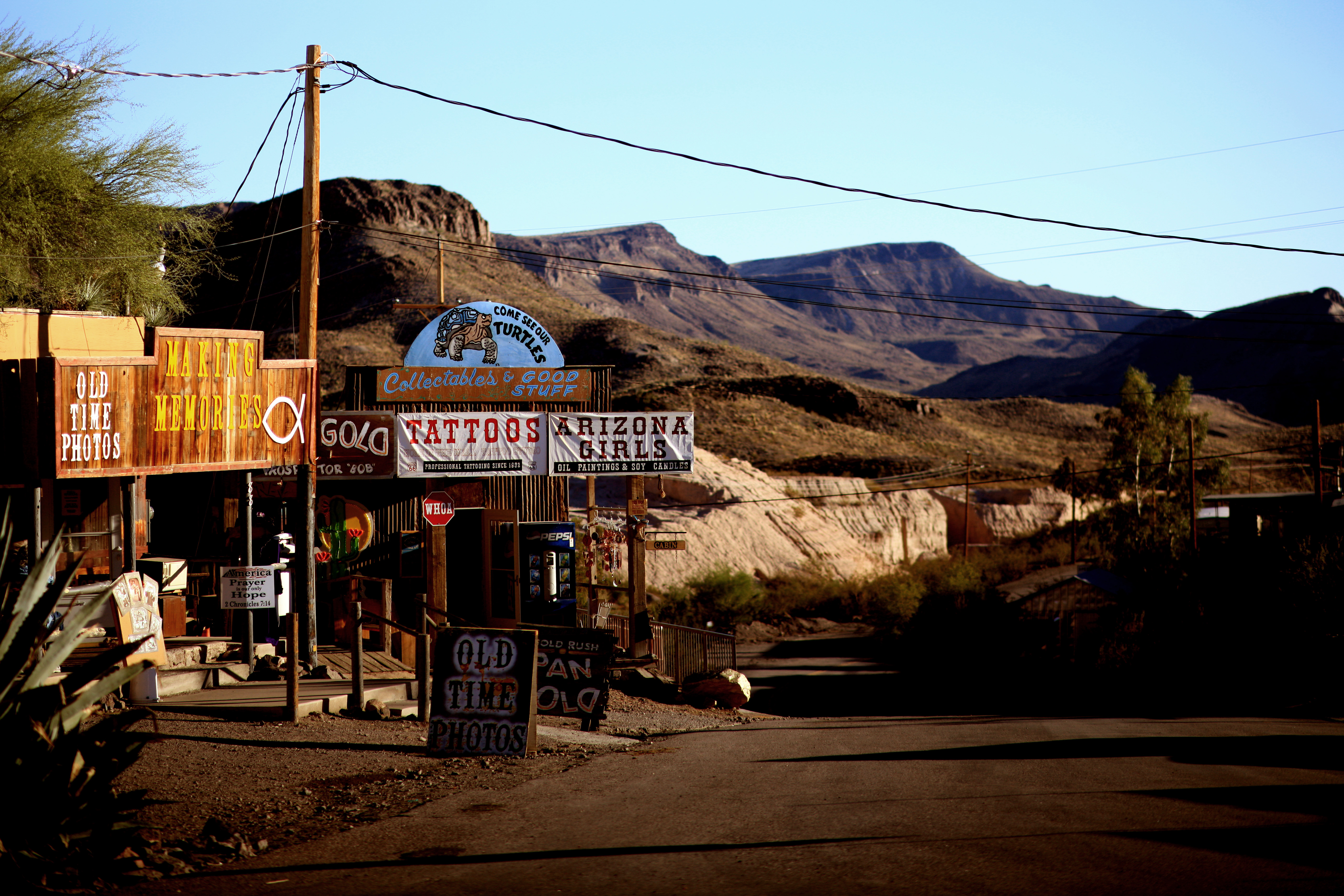
Taking a good shot for your pages is very simple if you THINK as you shoot. I am not talking about Food Photography – that is not my forte. All I know about Food Photography is to have natural light, a pale background, declutter, a prop, and a TriPod. I am still learning that too. What I want to talk about today is the photos of your streets, and your flowers, your animals, your mountains, your people and your stuff. You are surrounded in some wonderful, individual, very special images that only you can see. You will interpret them in your own particular way. So don’t be afraid. Come on out of the Camera Closet. Come out and Play.
You do not need a fancy camera to create a good photograph. You don’t particularly need Photo Shop either though it is a useful tool. Even though something like Photo Shop will make a good shot better, and a fantastic shot awesome, a crap shot will still be crap. So decide your level of excellence and delete the rest. I prefer to rely on using the camera to produce a good image to begin with. So lets take a minute and look at what you are going to shoot. Ask yourself what you want me to SEE. Then think: Composition. Contrast. Clarity. Celi’s Three C’s. This will always give you one great shot per set.
Study other peoples photographs. I personally like to study newspaper photographs, because these are very seldom taken in a studio. They use available light. They have limited time. There is very little dressing done to the location. And their images have to tell a story. So study them, get a pen and create thirds -horizontally and vertically and look at that photographers choices. Look at the focal points. Look at the light. Where was the photographer when he took the shot.
Now think about Celi’s Three C’s.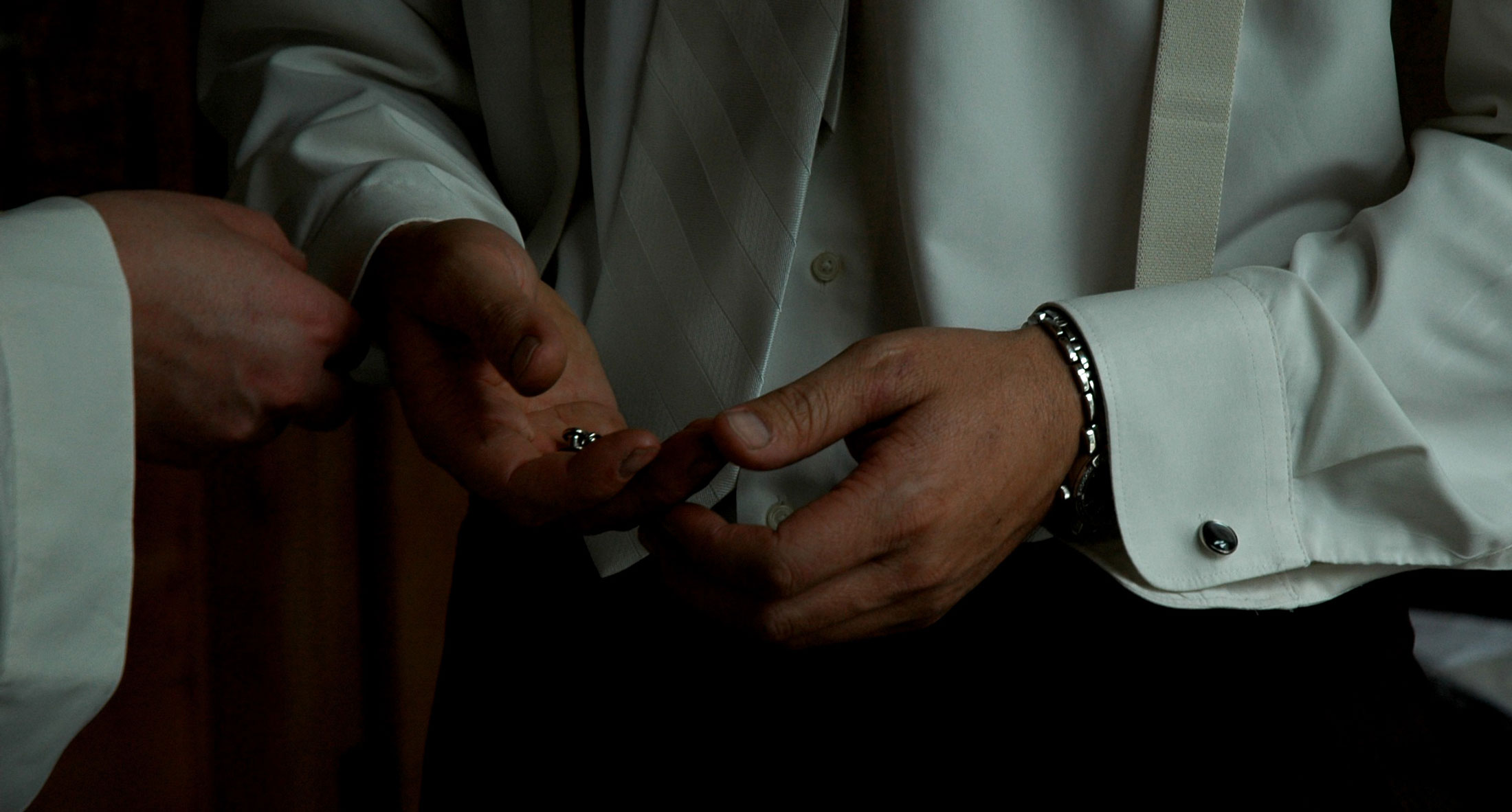
1. Composition.
Divide your composition into those three sections vertically and horizontally. You will have four lines and nine boxes. Think about where you want your subject to sit in your grid. Your focal point needs the best light and the focus. Your viewers enjoy symmetry. I tend to compose with the subject in the left third looking into plenty of space or the right third looking back. You may prefer a central image like the one above. But make a decision.
Think about different levels. I almost never take a shot standing, unless I am standing on top of something to get height. When you are buying shoes you stand in front of a low mirror – looking down on them does not give you the best image. So crouch, or lie down, or climb a tree. Or do all three. Lean to the side. Please stay out of the gutter and try to stay clean, unless you simply must get filthy in pursuit of the perfect shot. And do not stand on the car if your husband is watching.
Look at the background. Ensure that your horizon and the lamp post are both absolutely straight. Use your grid for this. Be fastidious about this. Always give me one clear line to hang the image on. Unless you really want everything to be mis-aligned or on a diagonal. I was trained by Dad on the beach, taking shots of the sea. Out here on the prairies it is the same. Any tilt in that horizon ruins a shot. A tiny angle on a roofline kills it. The line of the ceiling, or a fence or a kitchen wall. Even a tree. So straighten that horizon before you shoot. Now look and make sure there is not some stray object in your background. Check all four corners as you go. My mother said all four corners should be different in her paintings. My father would say get all that rubbish out of the shot.
Get close to your subject. Allow your subject and his environment to fill your screen. If you are unable to crop your image later then crop with composition. Maybe only a quarter of the image is more dramatic. Get closer as long as you do not compromise your clarity. Keep thinking, take risks and make decisions.
Use foreground. Sometimes shooting a landscape with something in the foreground like long grass or a tree or the corner of a building immediately creates depth.
Allow room for the eye. My mother was an artist. In fact when we were little she set up a child’s play pen, and sat Herself in the playpen so she could paint while we played, without anyone knocking into the easel. Anyway she told me when she painted a landscape that she always gave the viewer a gap, or winding path or open gate so that their eye could walk into the scene and rest there.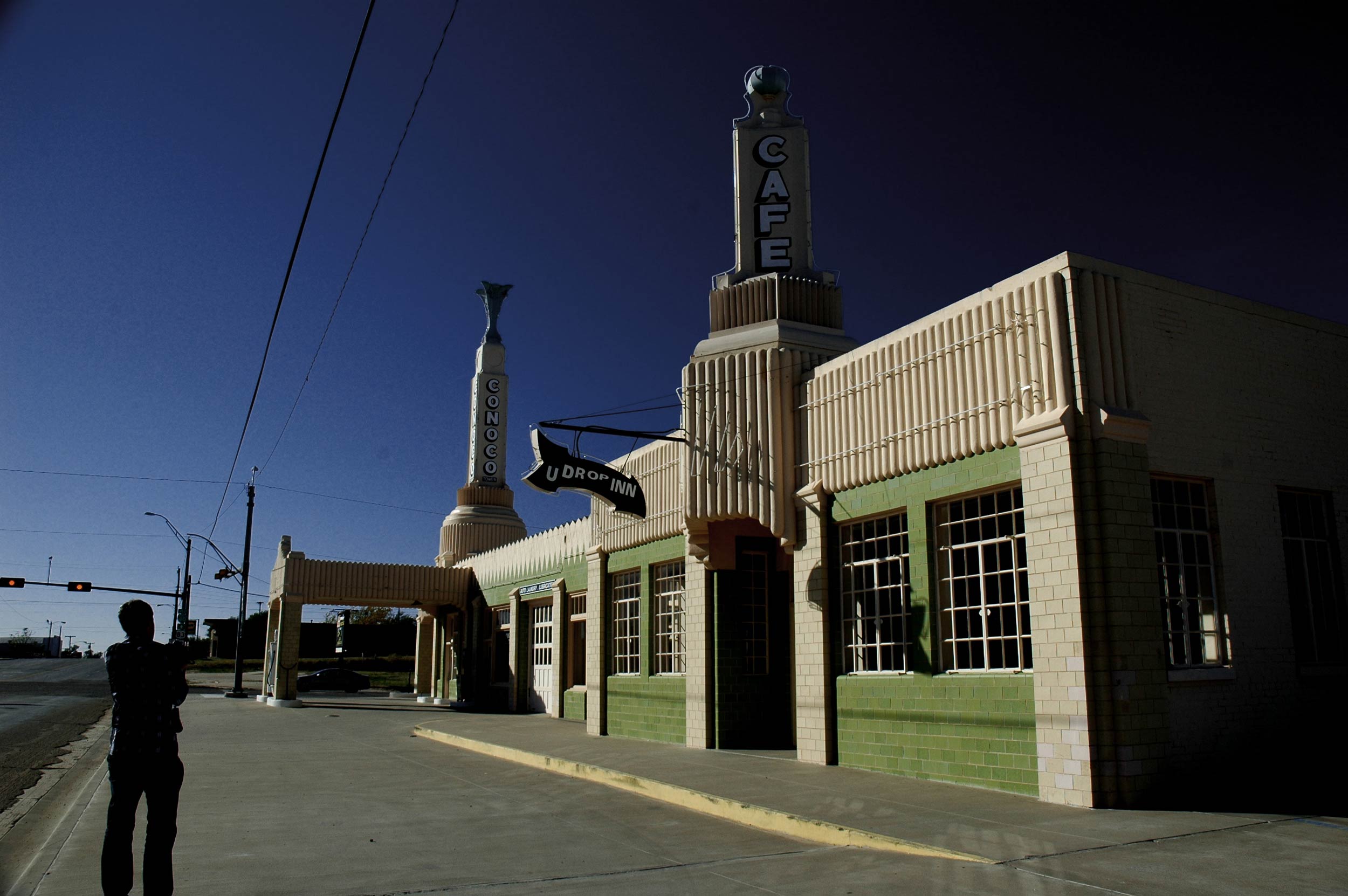
2. Contrast
It is all about the light. Back lit is dramatic. Side lit is nostalgic. Heavy white cloud adds depth to colour. Light does all kinds of fabulous stuff. So look at your light source, usually the sun and use it to your advantage. Look up, Look across and Look down!! Study your light. Remember that light reflects. How will you capture it.
You want a contrast between light and dark, soft and strong. I know this sounds simplistic but it is a major decision. Focus on the area that you want to be clear and well exposed. Allowing the rest to go darker or lighter. With a little snappy snap camera you still have choices.
Natural light is always going to be better. Avoid a flash unless you can set it on low or direct it into a reflector. A flash flattens your subject. I hate flashes. I want to see your light. You all know that I prefer late afternoon or early morning. Lovely low winter light is my favourite especially with animals and faces.
Position yourself to take advantage of your light. Once again. Look up, look across, look down. Where should you be to take advantage of the light. “You’re in my light!” was heard shouted frequently in the big house at the beach where I grew up. If you are inside in low light, secure the camera so it is rigid (tripod, pile of books, whatever)and adjust your settings for low light. But do not stand in the light! My Dad told me where there is light there is a photograph. 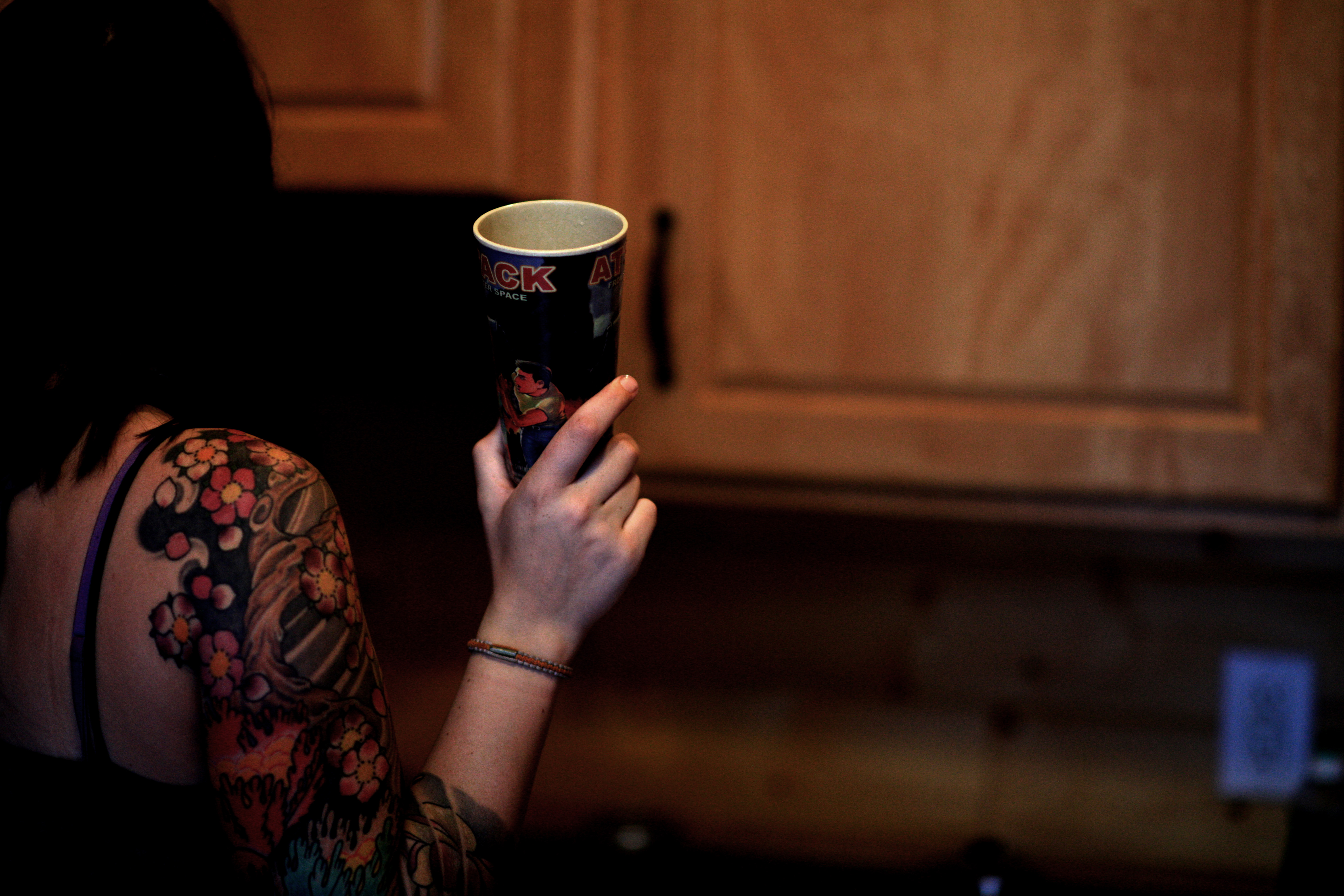
3. Clarity. Use a tripod or as I often do, lean your camera on the camera bag, or on a bucket, or on the side of a door, a wall, fence or the car (as long as the motor is not running) or hay bale or fence post, even a shoulder if you have a spare one lounging about. Your camera may have a stabiliser but nothing is better than tight and still.
Ensure that the subject is sharp. If it is an animal or person focus on the eyes. Wait to get your focus before you fully depress your shutter.
Release the shutter and wait for a second. Look at what you have done. Do you need to do that again? Many shots are ruined or lost by depressing the button then running or turning. Make sure your work is in focus and the best you can get before you move to the next shot. (The joys of digital). Slow down. Later, look at your shots with a tough eye and delete, delete, delete. Don’t waste your time on rubbish, go get the good stuff. Do it again.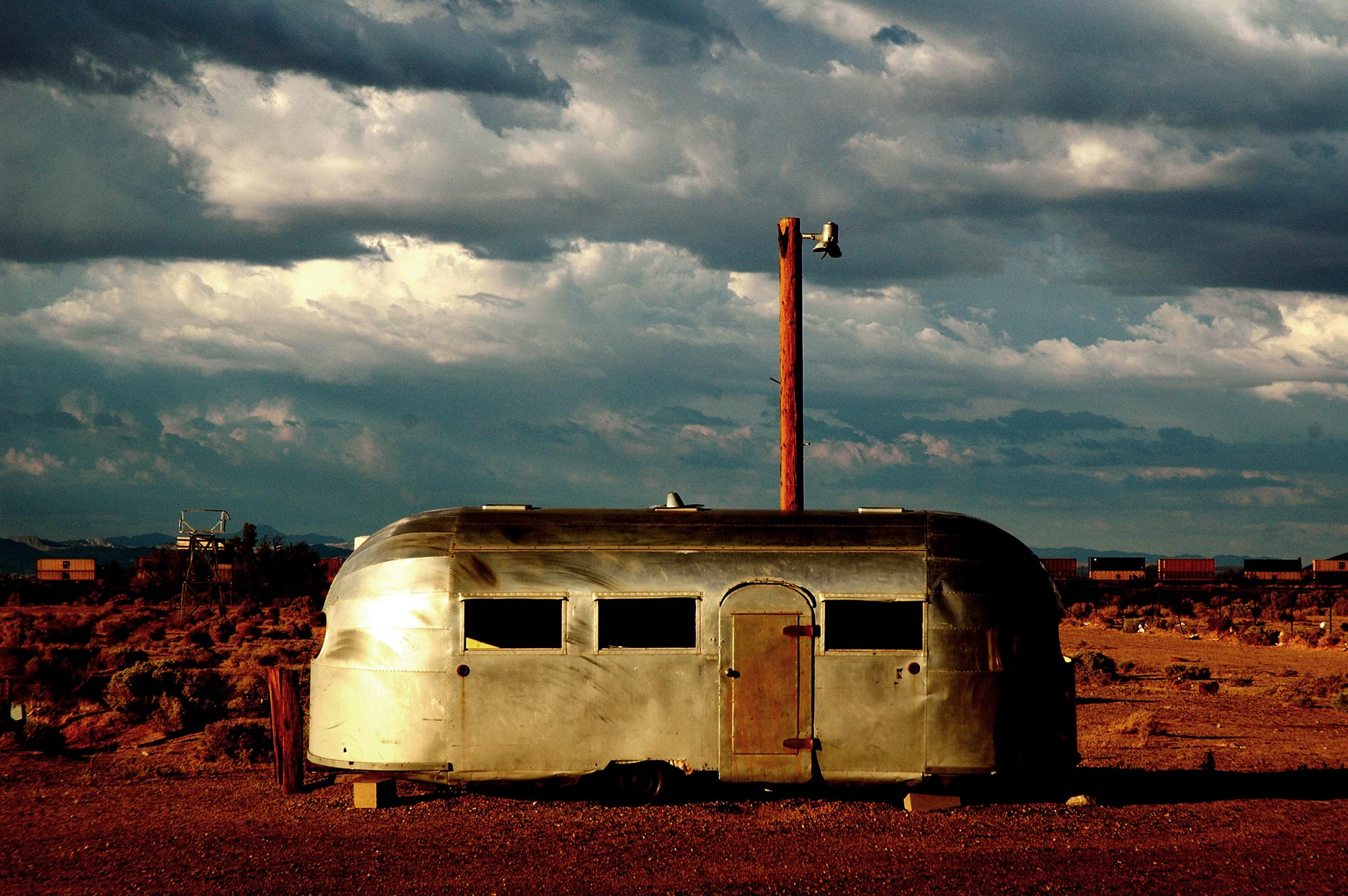
I was talking to a jazz player once. I asked him how he learnt how to play this jazz with such accomplishment. He said he studied classical music in Paris (somewhere posh) and once he knew that he had a thorough understanding of the principles of good music (and this took years), he took some of the rules and broke them, creating his own form of jazz. But he said he could not have broken the rules in the right places without knowing the music first.
So look up, look across and look down. Practice seeing. And keep shooting until you start achieving your objectives. Which means you have to think about your shot and choose an objective. 
Fear is your only enemy. Sometimes you just have to walk around the corner, surprise a surprise subject and shoot the hell out of it and hope you get one good shot. See above!!
So, go and buy a newspaper, find a shot you love, draw the grid and study it using Celi’s three C’s. Then get that little old camera out of the drawer and start shooting. Then shoot some more. Every time we get something wrong, it helps us work out how to get it right next time. So take good note of the failures, they are important learning. Then do it again. Then show me.
And remember you do not need a fancy camera. You just need you, any camera and a Plan.
c
 The Kitchen's Garden
135 responses to “How to take beautiful photographs for your blog with an ordinary camera”
Good advice. I agree, photo shop cannot redeem a crappy shot.
Agreed Rosemary, if it is rubbish toss it and shoot again! We cannot settle for the mediocre. c
This is exactly what I’ve been looking for, since all I have is a 10 MP camera and iPhone 4 🙂 thank you!
Some of those IPhones can take very good shots with a good operator, I knew a guy who made a short film with his phone, it won awards and everything. I have seen exhibitions of photographs taken on phones. We just need to embrace what we have and go for it!. c
Wow now i gotta try! i been wanting to buy an olloclip which makes some incredible effects for the phone, time to let my semi creative side out to play 😀
absolutely andy that sounds like a bit of fun!
c
Good, simple rules…and you put it all so well.
Until November, every picture I shot was with a (fairly) cheap purse-sized digital. I only upgraded because I wanted a longer zoom, and felt I had advanced enough to ‘earn’ one.
But, I’m still a beginner, in truth, and I learn things from you and other bloggers every day!
Learning lasts forever, thank goodness! My purse camera which is a generic little snappy snap is always in my purse, so often my photos area mix of little camera and big camera. I only want people to know that the cost of their tools should not limit the scope to their work. c
Good advice. I’ve just got a new ‘point and shoot’, it’s to take around for quick snaps. I’ll bear it all in mind……
Thanks
I love having a little purse camera. Often I am collecting images that i happen upon with this little one.. c
This is great stuff! I used to be a newspaper reporter and even though I could order up a photographer, I also had to learn how to get decent shots by myself. I remember my editor telling me to get down low, stand on a table, anything to change the angle of the shot. I also learned a great deal about filling the frame and getting closer. It often comes down to really “seeing” what you are going to photograph, much like an artist must learn how to really “see” in a new way. Definitely something we can learn! And don’t we love our digital cameras?? No more waiting for things to develop. Instant gratification!
You are right Maggie, both writers and photographers need to see. Not just look. We need to think consciously about what we are seeing. Great comment for us! thank you maggie.
Bookmarked.
Lovely girl! your post was funny today!.. c
Brilliant! And quit it with the humble I’m just an ordinary photographer stuff. You are amazing! Thank you for the tutorial. Will file it in the important stuff to remember folder 🙂 t
Thanks Miss T. What i meant was i am not a professional photographer, I have not been to art school, I was never a photo journalist. I am self taught. I believe that brings something to my work. And I believe that everyone can create special images. Everyone can strive to be better whether they have a little purse camera, snappy snap, or the latest gear. Everyone sees things differently.. and i want to see what they see. I am ordinary. c
You? Ordinary? Pull the other leg, its got bells on! LOL You my dear are wonderfully unique and special! t
You are a very talented photographer and your advice is in simple language that a duffer like me can understand. I only have a little point and click but I have noticed how my shots have improved over the last year through looking at what others do that I like and learning by example. Great post!
Learning from each other is the best way. Love of the little stuff!! c
Thanks so much for this Celi! My John asked me yesterday if I ever changed the angle when I took photos…..and I realized that, no, I never do!!! And that may be part of the reason why they always look the same, and a bit boring, I must admit. So now, I’m going to try kneeling, reclining, and climbing on objects to shoot. The quality of my photos can only improve!!!
Good. See you were working it out already! Excellent! I must stumble over to your face book and see how my goats are doing!! c
Oops! That reminds me, I must begin photographing and then post a “Winter of the Farm” album! 😀 PS The goats are doing great! They love the cold spells and run around kicking up their heels…..literally! They are adorable!!!
I love it when the animals gallop about, even Daisy went for a wee trot the other day, scared the life out of me! she thunders about! c
Very well said Cecilia. When we all used film, single pictures had to count because it took time to develop the pictures. Now that cameras show you the pictures instantly, there’s far less excuse for taking a bad picture, because they can all be taken again 😉
I loved film. the high value of the shot forced us to think all the time and frame and bracket and watch the light with one eye and the subject with the other. Dad always used to say -if you got three ok shots, two good ones and one brilliant shot out a film it was a job well done! c
I think he was right 😉
What an excellent overview, c! I don’t have much to add, except for two new things I just learned from a friend who went on a photography retreat… He uses the crop function and cuts photos into interesting different sizes, not the usual “rectangle”. The second thing I did was to purchase a “remote” that just slides into the spot for a flash on the top of my camera and then the side of the camera. It has a wire so you can press the button without jiggling. I always thought I had a steady hand.. but the difference was quite noticeable. So there’s my two cents for ya’…
p.s. I forgot to add that I think the actual content of your shots is what is so captivating, it’s that you think to photograph something that seems so “every day” (like the girl with the mug) but you turn it into art.. I love that… you definitely have an artist’s eye..
ah yes, the remote cable, we used to use those years ago.. good stuff! camera shake is always there.. less of that the better, good tip and cropping is useful, very useful and very simple. Once you have that good clean sharp shot to begin with. c
I usually leave the photos to Greg, because he’s the chief photographer and has the fancy camera. He might say it’s ours, but it’s his. Anyway, I’m trying to use my smart phone camera more and learn more about his fancy one, so I like these tips. I am paying more attention to lighting, but with such a good photographer in the house well I’ll still leave most stuff to him! You know me the demure little lady.
poo! How weird! You never struck me as demure! Now that smart phone camera is a good tool, you can do some very good stuff with that! and print it! c
C, I am so glad that you published a more in-depth version of the photography tutorial you gave me yesterday. I have always known the basics, but it’s been a long time since I’ve reviewed them and this was beneficial.
I’m with you on the flash. I hate flash and rarely use it.
I agree that all the editing in the world will not redeem an image that was initially not a good image.
Anyway, thanks for the advice and guidance.
You are most welcome Audrey. Your email made me think about what I had been doing and I thought I would share it.. so well done for the trigger.. c
Thank your for this, Celi. The hardest part of this blogging thing, for me, is taking the shots. The posted photos are, usually, that night’s dinner. So, because it takes me so many attempts to get a good shot, I can go weeks before I get a hot meal! All right. That’s a bit of an exaggeration but the basic premise, that I need help taking pictures, is true. You’ve helped me a great deal here. Thanks!
Sometimes I save a meal and shoot it the next day in the natural light then have it for lunch! I mean it does not have to be HOT for the photo!. c
Oh talking about getting down and low, I made a Christmas card a few years ago based around a present a friend had made me. Now this present was a Clanger (do you know them? The soup dragon et al?) Anyway I took this little pink toy onto the beach, placed hime carefully on the pebbles so that the pier and the sea was in the background. I then lay on the beach, up close to the toy. And shot (film in those days!). Whilst laying on the beach I overheard a boy talikng to his dad – “look at that lady, what is she doing?”silence and then “Oh, that’s a Clanger” says dad! You see when you crouch to take photos, be prepared for a running commentary. And the photo? I still have a copy on my study shelves 🙂
Great post by the way 🙂
Oh you are a woman after my own heart, what a fantastic set up and with that commentary!. Best to keep your head down and your eye on the job.. And no i do not know what a clanger is! Best you show me that photo claire.. (laughter).. c