

Good morning everyone. Here is the last of our guest posts. We are very lucky to be off to the UK today to visit with Anne in East Anglia. She blogs at Life in Mud Spattered Boots. I will be back on my farm on Sunday night and see you all bright and early on Monday morning. Until then: Welcome Anne!
One of the best things about reading blogs is discovering how different life is on a farm in another country. I come inside complaining about the cold and damp only to switch on the computer to see Cecilia struggling through snowdrifts and farmers in Australia battling with dust and parched fields in 40C heat. Perhaps the only constant is that farmers everywhere depend on the weather.
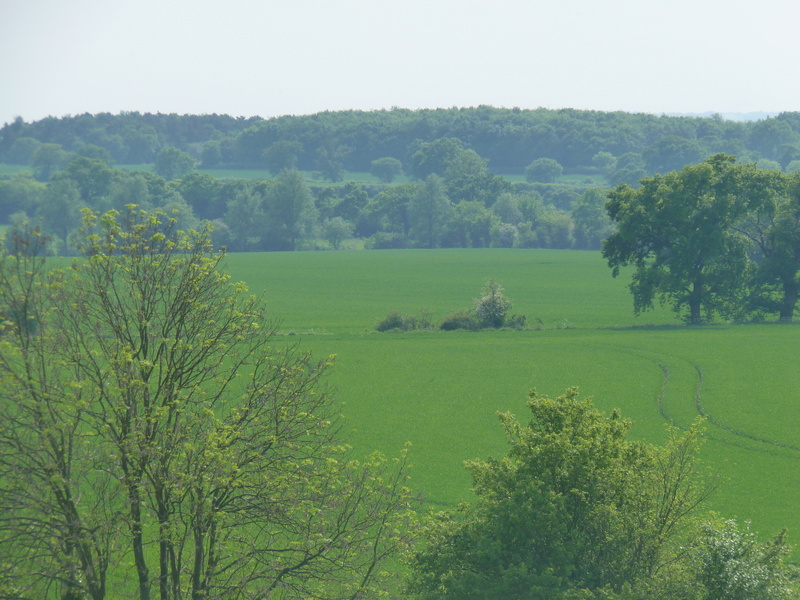
So, welcome to Slamseys Farm where daytime temperatures currently hover around the 8C mark, the fields are wet but spring is just around the corner (fingers crossed). We live about forty miles from London, neighboured by housing estates to the north and a racecourse (the newest in England) to the south. Sometimes it feels as though Essex is disappearing under a sea of new roads and houses, but look eastwards and westwards from the farm and the fields stretch out in the traditional patchwork pattern of the English countryside.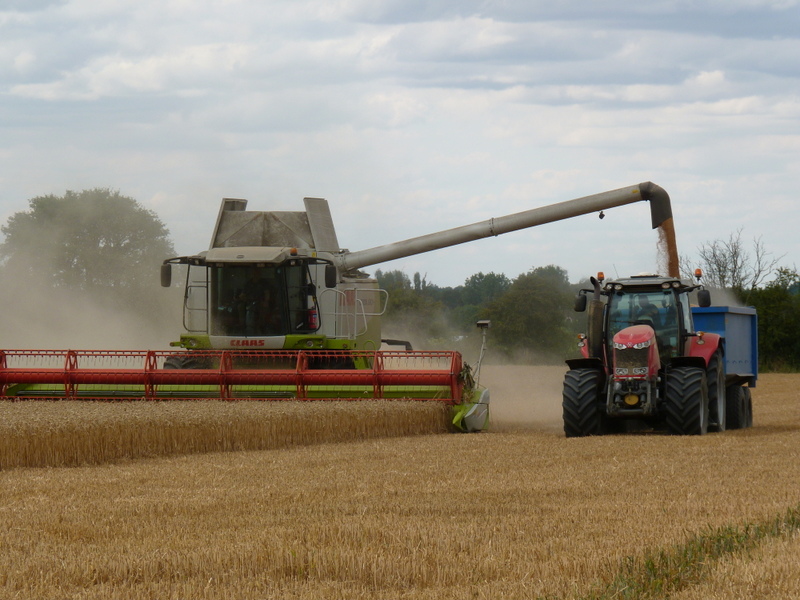
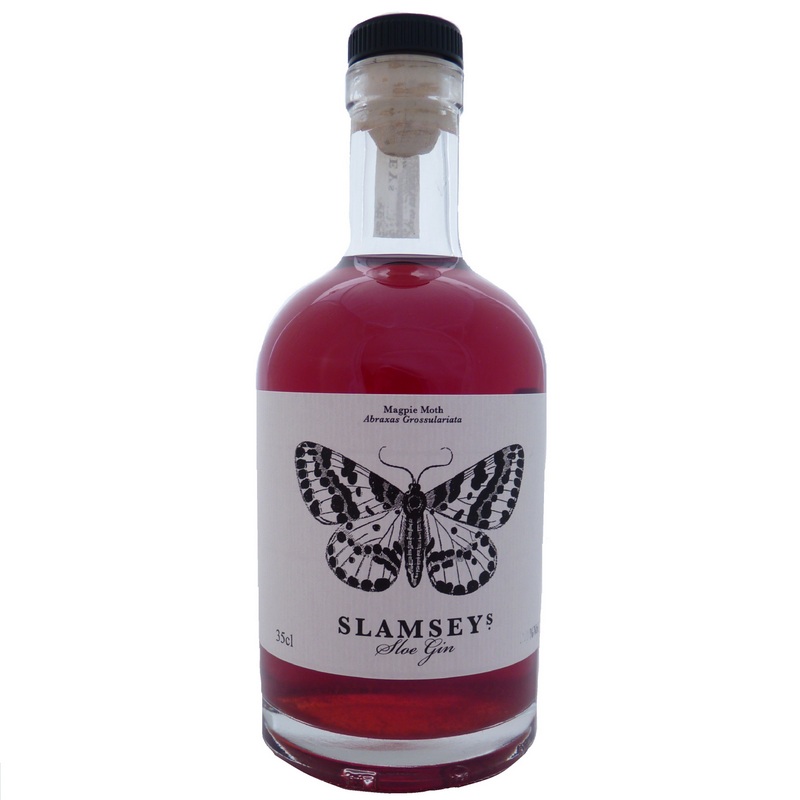
On the farm we grow wheat, oilseed rape (canola) and field beans, willow trees for cricket bats and Christmas trees that we sell from our Christmas Tree Barn each December. The name Slamseys is thought to come from the Old English for “sloe tree enclosure on the hill” and there is still a great deal of blackthorn (which bears sloes) in the hedgerows that form the boundaries to our fields. One of our daughters has a successful business making Sloe Gin and other fruit gins using fruit and flowers that we pick from the fields and hedgerows around the farm.
At the heart of the farm is the farmyard with its mixture of traditional and modern barns, a pond that would have been used for watering livestock and the farmhouse. In Essex, our traditional barns are timber framed with steeply pitched roofs and walls clad with horizontally laid black weather-boarding above a brick plinth. Many traditional barns and farm buildings are too small or awkward for modern machinery so farmers rent them to other businesses or convert them into offices, houses, shops or wedding venues. We recently renovated The Barley Barn with its beautiful medieval timbers into an art gallery. Twenty years ago the yard was very quiet and a little bit lonely with only Bill and one other person working on the farm, but now the yard’s a bustling place again with other businesses based here in various buildings. Even the fields are busy at weekends when people walk their dogs along the public footpaths that criss-cross the farm.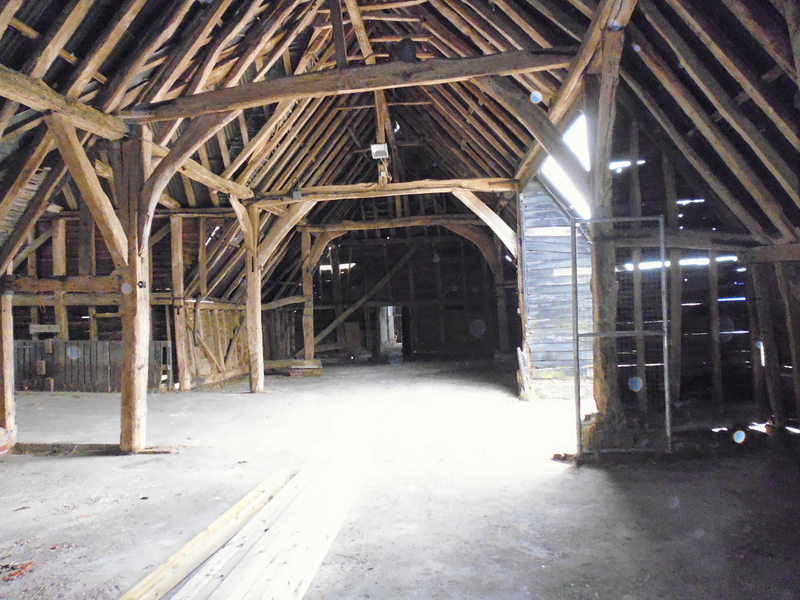
There haven’t been livestock kept commercially on the farm for over fifty years but we have a few hens and guinea fowl that wander around the yard, ducks on the pond and horses kept at livery, which means I can gaze at beautiful horses grazing in the fields without the hassle of looking after them. Oh, and pigs. We used to have a beautiful Gloucestershire Old Spots sow called Ermintrude who raised over a hundred piglets but now we just buy in a couple of weaners to fatten through the summer. They may all be pets, but I don’t think it would feel like a proper farm without them.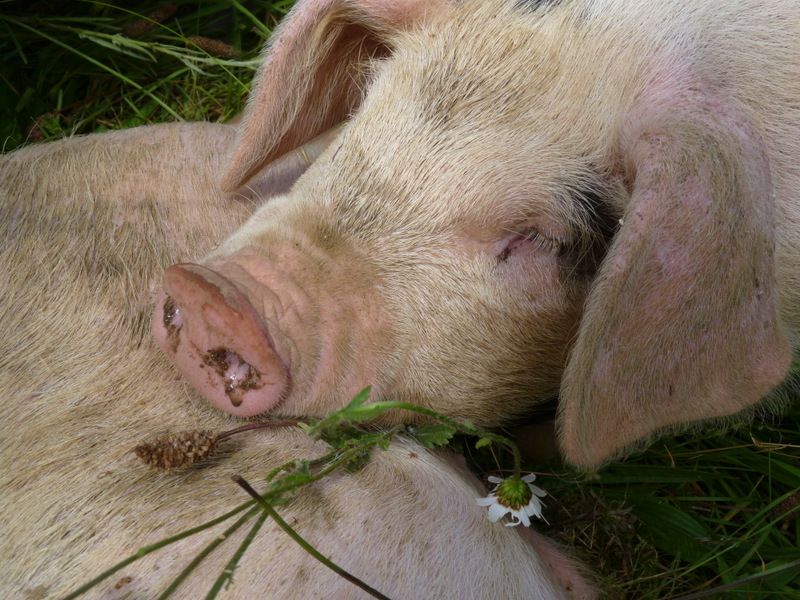
Thank you Cecilia for letting me share our farm with your readers.
Anne
 The Kitchen's Garden
70 responses to “Slamseys Farm”
So much beauty! And thank you so much for sharing this with us. I’m a designer/art director type and I must say that Sloe Gin label is very beautiful. I love it. The moth illustration is exquisite. And the timbers in your old barn are breathtaking. Lucky they are still in such good shape. We renovated an old barn in France and were sad to have to replace so many of the old timbers. I had some of them cut into big slabs which I use for end tables. But it’s not the same as seeing those proud strong beams rising steeply over your head like the vaults of a cathedral. Again, thank you. I’m going to check out your blog now.
A few of the roof timbers were a bit dodgy but mostly they were in amazingly good condition. What a good idea to make tables from old timbers – much better to re-use than have to throw away.
What a beautiful farm you have there and a lovely and interesting diversity of business. Sloe gin too….lovely!
I loved the fruits arranged in perfect symmetry 😀
Nice to meet you, Anne. Thanks for sharing your lovely place with us.
I do not know if it’s just me or if perhaps everybody else experiencing problems with your blog.
It looks like some of the text on your posts are running off the screen. Can somebody else please comment and let me know
if this is happening to them too? This could be a issue with my internet browser because I’ve had this happen previously.
Kudos