

So, I am writing a lesson plan this week for my course in teaching English as a Second Language. I have a question for you. If you were to emigrate to another country. Or if you are an immigrant. And you do not speak the language of that country. You are a Beginning Learner. What piece of language learning would be most important for you?
AND MAKE FOR AN ENGAGING HOUR OF LEARNING. 
Hullo, goodbye. Thank you. Please? (Let’s pretend we already know these) .
How to ask for and follow directions?
How to order food? Or buy the food for a recipe? I am leaning towards food – we could make food. It would need to be cold. Make a salad for instance or a sandwich – this would give us lots of vocabulary – verbs and nouns.
How to navigate a supermarket or the words you would use to describe yourself and where you come from?
How to order a coffee? ( this one I always learn before I leave home). And would make for a tasty class.
Throw out all your ideas. I like my lessons to be task based and like to add drama or role play into each class. And I would love your input.
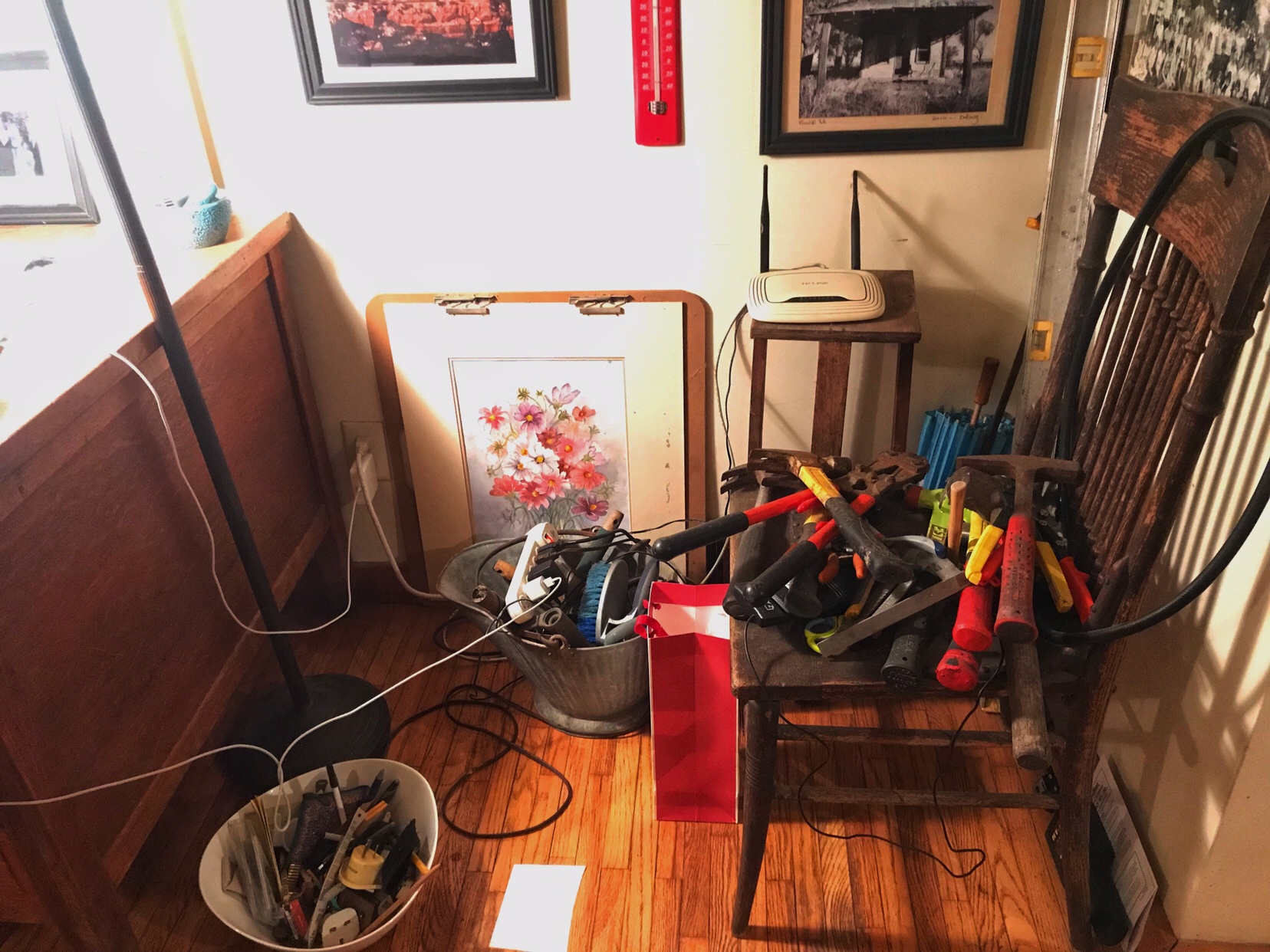
Yes, that is my tool chair – right by my desk. One day I am going to bring in the tin tool chest from the shed that I never use because I like to keep my tools close by so I can keep an eye on them. There is nothing more frustrating than knowing you own the right tool for the job but not being able to find it! And I do not see my snub nosed pliers. Someone borrowed them while I was away. Also my extra large red adjustable spanner is missing. I will put hunting those down on my list for today.
Work, work, work!
Celi
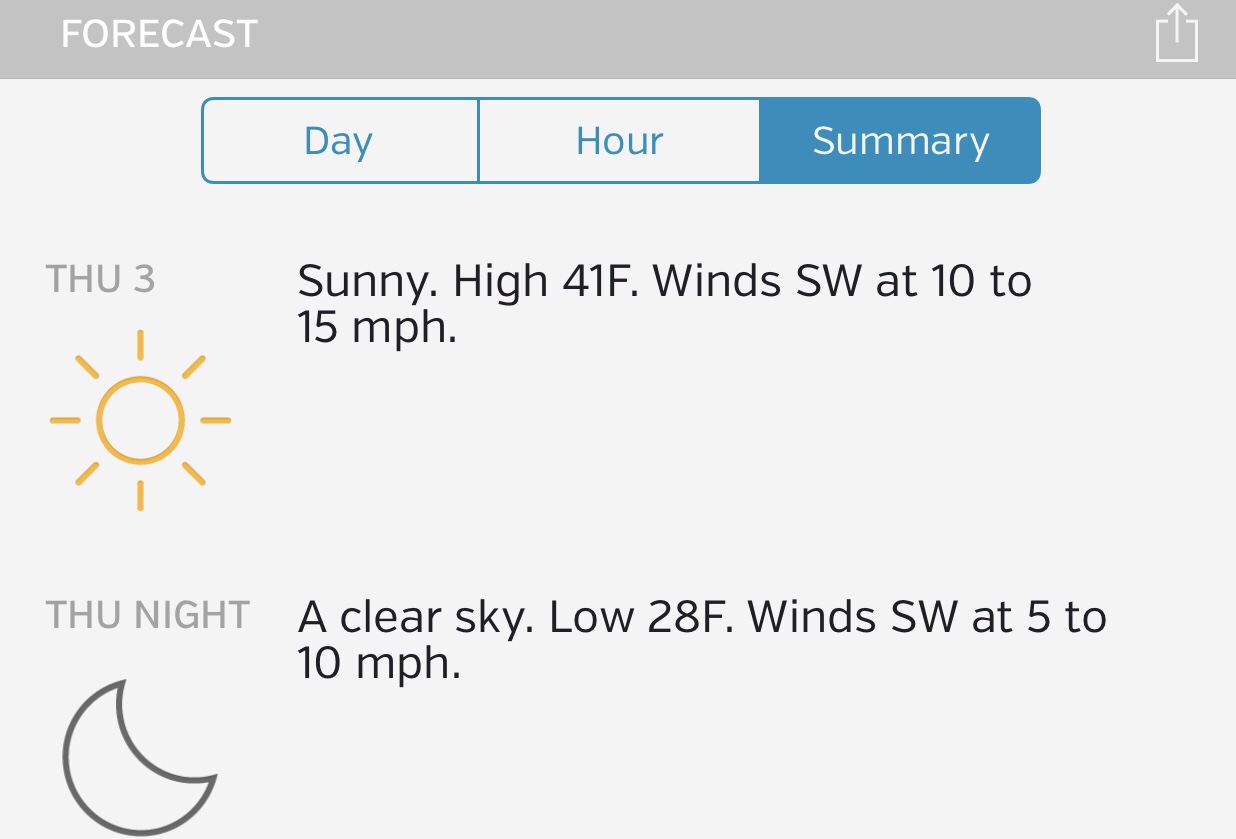
WEATHER: At last! A sunny day!
 The Kitchen's Garden
91 responses to “A QUESTION FOR YOU”
excuse me, can you help me, please? what do you need? i am looking for…., i need a doctor….., a bathroom……, a restaurant…., a grocer……, a pharmacist……, a hotel……., a clothing store……., a church…….., a school…….., city offices…….., a hospital….,police station……etc. (kind of basic, but basic needs are important to have filled and will alleviate some worry in a new place.) also – how to reach emergency services wherever they may live.
Good ideas! This is a beginning level
Class so basic is good. The students also need to understand the ANSWER. So there are lots of lessons here.
Cecilia, you will first engage in what yourself are competent :
You and your pets and your feedstock.
Easy come, easy go.
All the best – Hans
Yes! I remember an author friend of my mothers saying ‘Write what you know.’
Always pleased to hear from you.
Easy give recommendations to others. Anyway.
Greetings to sundog too.
You also know cooking. Fruits and vegetables in a grocery store maybe.
These were the things I had to learn when I took myself off to Florence.
Love that photo, Celi, it’s as if you’ve manipulated it to shade from colour into black & white.
About your question: For me, feeding myself and my family would be very high on the priority list. Words for meat, bread, milk, vegetables, eggs, coffee, tea, rice, pasta, oil. And after that, supermarket, pharmacy, doctor, post office, town hall, bus stop, train station, public toilet… Hello, my name is… Can you tell me where to find the…? I’m sorry, can you say that again? Here, there, left, right, No thank you, Yes please, Please help me, I don’t understand.
Oh dear, that petered out into slightly desperate language, but it’s things people might need if they get into trouble, real or conversational.
I don’t understand or please repeat that slowly are good sentences to know . In my course we are learning to teach the grammar too which kind of muddies the waters I think.
I suppose if you’re learning a language it’s best to speak it correctly from the start, but it’s a big ask, and perhaps a barrier to actual effective, if slightly wonky, communication.
Shopping, buying food and chit chat. Learning which words are the same or similar in European languages is helpful (they are not all the same across the board). I don’t know why they don’t do that with French and Spanish in schools – it would help beginners to discover words they already know. Then 5 or 6 verbs in the present tense.
Yes, couldn’t agree more! Being able to see the similarities takes the edge off the strangeness of the new language: )
Very good points mad – especially with Spanish speaking immigrants
I think you may be most likely to get Spanish speaking migrants, but it applies to all Romance languages.
When I was teaching ESL, the most common questions I was asked dealt with forms. My students would bring in forms they needed help with, and I would end up working through the commonalities on the forms for the entire week, and use my offoce hours to work with students one on one filling them out.
When I worked in an International Scholars office, there was a Form story: a brand new foreign student had written under the “Sex” box with “Once, in Milwaukee.” The advisor said it was true. Help with form filling seems in order.
I could do with a course in American form filling myself. Just knowing what forms one should be looking for would help.
Good luck on finding your missing tools! I keep secret tools now because things keep walking away…
Great question on your beginner’s class. I found that when I moved to Israel, even though I knew some Hebrew, what I found most important was being able to speak about money, and asking for and understanding directions. The Israelis have an extremely effective language program, they have to with all the immigrants they have. And then next you need to be able to speak about food! But to travel on the buses and buy food, you really have to know numbers so you aren’t relegated to holding out your hand and having a shopkeeper or bus driver just picking the money out of your palm.
Agree. Knowing numbers and your money would be at the top of my list…followed by the other ….food, doctor, help etc.
I still have trouble with the American coins – and the notes – all basically the same colour- I think you can buy play money for practice .
Basics like where are N, S, E, W, how far are things, buses, how much is a taxi ride, where is the bank, restaurants, parks.
A class on transport is a great idea – lots of scope for role playing too.
Navigation was my friends largest issues when he arrived with a wife and infant from Kenya in September 2001. Yes – that close to 9/11! They came into DFW airport, the church family that sponsored their immigration met them, took them to their small 1 bedroom apartment and then left them to fend for themselves. His story makes me mad at ‘some’ people. Then they had cab drivers drop them off in the middle of nowhere …. it was horrible.
Smart phones must make it so much easier when a person first arrived- if you can afford one.
I moved to Turkey for a while and I knew zero Turkish when I got there. I used the LAMP method – Language Acquisition Made Practical. For me this meant walking around the city, asking for help, and asking those helping me to teach me the words. As I got the basics down, I played “Question of the Day” where I’d come up with a question in the morning and then ask some nice person/people I bumped into during the day to teach me how to talk about that question, ie “What is the meaning behind the Seker Bayam?” or “What does the CHP believe in?” For pedagogical purposes, you could probably create make believe scenarios for students that put them in these situations. “You are walking around Chicago and you would like to know the best place to eat pizza within walking distance. How do you ask that question?”
What an excellent way to learn. You must have been very brave.
I have not been to Europe yet but have been to French speaking parts of Canada and different states in Mexico. We got ourselves lost in both countries – I know a little French and a little Spanish – getting directions is very difficult if you aren’t pronouncing it right. I have to say that we found in Mexico the people were more willing to help us!! Both times we were looking for either a restaurant or a grocer – but knowing “ turn left or right “ is very helpful to find the food market! What a fun project you are doing!
Hi Becky, How I remember left or right (gauche ou droit en Français) While ‘Maintiens le Droit” – the French motto for the RCMP – means literally to “Uphold the Right” in English, or in more recent language literally to maintain the law; while left/gauche is also used as a derogatory term for someone who is unmannerly, uncouth or “common”…
Likely goes along with Marie Antoinette’s “The poor are hungry? Then let them eat cake!”:/
Left and right are great suggestions – I see a lesson forming!
I agree that comprehension of the answers to questions is also very important. So hearing a lot of spoken complete sentences should be part of the drill. If the students understands what they hear, they will increase their vocabulary & speaking skills. Students might keep radios or tvs on in the background at home to hear & learn spoken English. I get a pkg. of 3 French tv channels, & I often leave one or another on all day in a low volume & feel that must be doing some good for my fading French.
Watching English movies dubbed with Portuguese dialogue helped me a lot when I was in Portugal for a short time.
Numbers for buying and pricing items is crucial. Directional words to get around on foot and in taxies is also important. And I’d go with teaching verbs in the present tense along with common nouns so students can make themselves understood and begin to actually communicate ideas. 🙂
Tons of lessons right there!
Where to go: Markets-where to buy basics, their basics (what are they), spices they’re used to, street signs, places of worship
Some idioms, local lingo (here “mooching about” is NOT a good thing, in UK, means-strolling and window shopping) <–example
Centigrade vs Fahrenheit; money/coin
Suggest children's TV-easy learning basics.
Definitely easy learning – this pretend class is beginner adults – I have some great ideas
i would think that job interview questions would be important. Being able to explain your background and skill set.
Being able to tell a story about your home in your old country. (I know it’s not task based, but I imagine it will help bridge friendship gaps)
Being able to talk to a teacher about your kids education. (sort of task based since I cannot imagine how they manage parent teacher meetings otherwise)
Whatever their favorite sport or hobby is – being able to learn all the normal terms and words surrounding that. (not really task based.)
I hope your lesson plan goes well. You seem genuinely invested in it. Which is what will make you a great teacher. 🙂
Yes – all those things are much easier when you have learnt the language – and these are good for role play sessions too! Thank you
When my niece Emily and I were in Germany this last spring, we found that understanding the money system, and how to purchase what we needed – especially purchasing train tickets, was crucial from the time we landed. Also, our cell phone GPS did not work most of the time. Having a paper map was so important – not many signs or instructions were in English, so reading a German map was important. Having a good sense of surroundings and where we were going was important. Most of the time young people spoke English so we looked to them to ask for help. But we found even elderly people were good at helping us by listening and watching while these American girls acted out in charades what they needed or questioned. By the time we were there a few days, we knew a few basic words of German and we could also understand a good bit. I would say overall, being able to ask about directions and instructions for basic needs (directions, food, emergency services, and transportation) are most important.
Oh I know that feeling. I always research the hell out of my first journey – the one from the airport to town. I still get lost. I got lost in Chicago the other night when I came out of the underground into the wrong street.
I have a friend who came from the Ukraine with her mother and sister many years ago. They had no English. Some one taught the mother two words – ME WORK. She went from one factory to the next saying ME WORK until she got a job.
Me work – amazing . And so she did